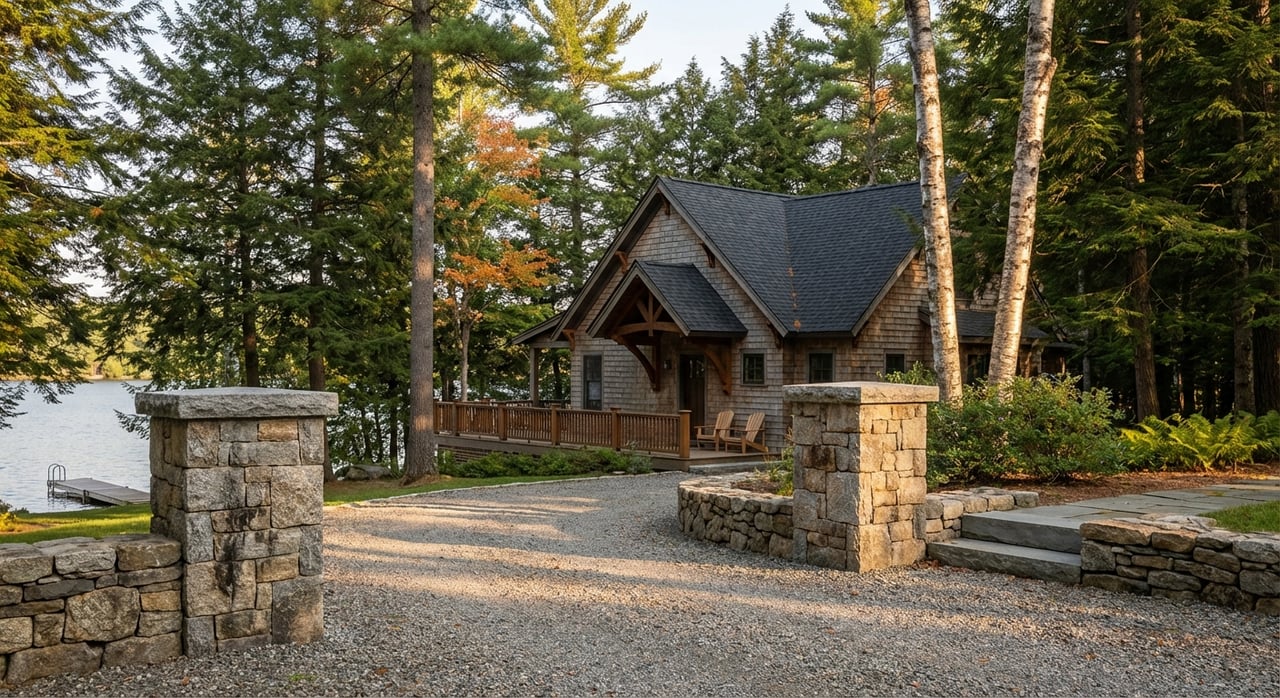
Wondering how to buy a Wolfeboro waterfront place that you’ll love for years without overpaying or running into permit surprises? You’re not alone. Second‑home buyers are drawn to Wolfeboro for its classic New England village vibe and access to Lake Winnipesaukee, but the waterfront market works differently than inland homes. In this guide, you’ll learn what drives pricing, the kinds of properties you’ll find, how financing really works for second homes, and the due‑diligence steps that protect your investment. Let’s dive in.
2025 market snapshot
Recent lakewide broker summaries point to a strong top tier on Lake Winnipesaukee in 2025, with waterfront medians commonly reported around the low to mid two‑millions and tight supply. Across the lake, annual waterfront closings typically number in the dozens, and when a well‑priced, turnkey Wolfeboro property hits, it often moves within weeks. At the same time, higher‑priced or highly specialized estates can see longer marketing periods.
Keep in mind that Wolfeboro’s townwide median price is not a proxy for direct waterfront. Most town sales are inland homes or condos, so town medians will sit far below true shoreline pricing. Waterfront is its own submarket with unique supply, permitting and amenity dynamics.
What you can buy
Seasonal camps and classic cottages
You’ll see older, summer‑oriented camps with modest footprints, lighter insulation and basic systems. These can be the lowest entry to direct water access. Purchase price is only part of the equation, since many buyers budget for septic upgrades, heating and winterization to enable year‑round use.
Water‑access and association options
Shared‑frontage homes and condos offer deeded beach or dock rights without owning the shoreline. This lowers the cost of entry to a lake lifestyle and can be a smart way to learn the area before moving up to direct frontage. Value swings with the quality of access, amenities and proximity to services.
Year‑round waterfront homes
Well‑maintained, year‑round homes with private frontage are the most popular second‑home choice. In Wolfeboro, you’ll find a wide band, from modest updated homes to larger, renovated properties with modern systems. Turnkey, well‑located homes commonly trade in the one to three million range depending on frontage, view, and docking.
Luxury estates and rare compounds
Trophy properties with extensive frontage, deepwater docking, boathouses and guest spaces are rare and push into multi‑million territory. Notable Wolfeboro addresses on corridors like Sewall Road have reached the eight‑figure realm in recent years, such as a marketed estate on Sewall Road referenced by a national luxury outlet at the time it was listed. You can see an example of that tier in this prior Sewall Road feature by a national publication: Sewall Road estate feature.
What drives value on the water
- Frontage and width. More linear feet typically equals more privacy, better siting flexibility, and stronger view corridors. Appraisers and brokers often use price‑per‑foot as a quick benchmark, then adjust for quality.
- Exposure and view. Big‑water vistas, sun patterns, and wind protection all affect enjoyment. Western and southern exposures often command premiums for afternoon light and sunsets, while calm coves can be prized for swimming and protected docking.
- Dockage, boathouse and depth. Usable, permitted docking with adequate depth at seasonal lows, slip size, and lift capacity add real value for active boaters. Existing boathouses, especially multi‑slip or with finished space, are rare and materially impact price.
- Beach quality and slope. Sandy, swimmable frontage usually outranks steep or rocky shorelines. Document sand composition, bottom type and ease of entry.
- Proximity to town. Walk‑to‑village or quick‑to‑amenities locations tend to trade at a premium because of convenience and four‑season lifestyle appeal.
- Shoreland regulations. New Hampshire’s Shoreland Water Quality Protection Act governs vegetation, impervious surfaces and work within the protected shoreland. Many projects require state permits, and prior work must be properly authorized. Review RSA 483‑B early: NH Shoreland Protection Act.
Financing your second home
Second‑home financing is not one‑size‑fits‑all. Conventional lenders typically require the home be suitable for year‑round occupancy to qualify for standard second‑home programs. Purely seasonal or non‑winterized camps may not meet those criteria, which can steer buyers toward portfolio loans or cash. To set realistic terms and timelines, review the Fannie Mae Selling Guide for second‑home occupancy, and speak with a lender who routinely underwrites lake properties.
A few tips to give you an edge:
- Get pre‑approved with a letter that explicitly confirms second‑home eligibility based on the property type you’re targeting.
- Ask lenders about portfolio products if you are considering a seasonal camp or a property with atypical features.
- Understand property condition hurdles that can affect appraisals and underwriting, such as unpermitted shoreline improvements or limited heat sources.
Competition and timing
The Wolfeboro waterfront market is heterogeneous. Updated, well‑located homes with strong frontage frequently attract immediate attention and, at times, multiple offers. Larger or complex estates, or properties with unclear permitting histories, often require longer due diligence and longer marketing periods.
You will compete most intensely in spring through peak summer when out‑of‑area second‑home buyers tour on weekends. Being ready with pre‑approval, flexible closing windows and a plan for quick inspections can make the difference. If a property checks the boxes for frontage, exposure and dockage you value, be prepared to move decisively.
Due‑diligence checklist
Use this list before you write an offer or during a tight contingency window. It will help you avoid costly surprises and protect resale value.
- Confirm shoreline rights and measurements. Verify deeded littoral rights, exact linear feet of frontage, and whether shoreline is private or shared. Ask for prior surveys, as‑built drawings and any recorded dock or mooring assignments.
- Pull the permit file. Request copies of all New Hampshire DES shoreland permits, town approvals and variances for docks, boathouses, seawalls, stairs and shoreline stabilization. Unpermitted work can be expensive to correct. Start with the statute and state resources: RSA 483‑B shoreland overview.
- Evaluate septic and water systems. Shoreland properties receive added scrutiny. Order a septic inspection and site evaluation, and understand likely replacement costs if the system is older. For context and best practices, see these resources aimed at real estate professionals: Living with Water resources.
- Assess flood and insurance exposure. Review FEMA flood maps, elevation certificates if available, and obtain insurance pre‑quotes for homeowners, flood and umbrella coverage.
- Confirm year‑round suitability. If you plan to use the home in winter, verify insulation, heating capacity, water line protection, road maintenance and plowing. This also affects conventional second‑home financing eligibility.
- Check title, easements and access. Look for dock or shore path easements, shared driveways, or rights of way. Confirm there are no conservation or public access encumbrances you were not expecting.
- Understand short‑term rental rules. If rental income is part of your plan, verify current town standards, state rooms and meals tax obligations, and any HOA restrictions. Rules evolve. For a recent statewide context on STR regulation in New Hampshire, review this municipal analysis: NH municipal STR guidance.
Ownership costs and rental potential
- Property taxes. Town and school rates change annually and can materially impact carrying cost. Confirm the current rate and assessed value assumptions with the Town Assessor.
- Maintenance and capital items. Budget for routine dock and shoreline upkeep each year. Plan ahead for larger capital projects such as septic replacement, shoreline stabilization, or boathouse repairs, which can reach five to six figures depending on scope and permitting.
- Utilities and services. Year‑round use can increase heating and snow management costs. Seasonal water lines may require upgrades for winter reliability.
- Short‑term rental revenue. Well‑located waterfront homes can command strong peak‑season rates, though annual revenue depends on owner management and local limits. Third‑party trackers indicate Wolfeboro area ADRs reach several hundred dollars per night in summer. For data snapshots, see this overview: Wolfeboro STR metrics.
How to shop smart in Wolfeboro
- Clarify your must‑haves. Decide what matters most: frontage width, dock size, exposure, proximity to town, or a swimmable beach. It is easier to act quickly when you have a clear hierarchy.
- Line up specialists early. In addition to your lender, identify a septic evaluator, shoreline permitting consultant and a marine contractor. Being ready shortens contingency timelines and strengthens offers.
- Think beyond list price. Dock rights, boathouses and beach quality are scarce and not easily replicated later due to regulation and topography. Paying up for the right setup can be smart if it aligns with your use.
- Broaden your search intelligently. Keep an eye on nearby waters like Crescent Lake and Back Bay when they meet your access goals. They can offer excellent lifestyle value with different price dynamics.
- Work with a lake‑market specialist. Waterfront transactions have nuances that non‑lake agents may miss. A local team that regularly handles shoreline due diligence, off‑market leads and complex permits can save you time and risk.
Ready to explore Wolfeboro waterfront with a team that lives and breathes the Lakes Region? Start a focused, private search and get hands‑on guidance at every step with Lake Mountain Property Group. We combine deep local expertise, luxury‑grade marketing and responsive buyer representation to help you secure the right second home on the right shoreline.
FAQs
How much do Wolfeboro waterfront homes cost in 2025?
- Recent lakewide reports show many year‑round, direct‑frontage homes trading in the one to three million range, with luxury estates higher and seasonal camps or shared‑access options lower depending on features and frontage.
Can you finance a seasonal camp as a second home?
- Often not with standard second‑home loans, since many lenders require year‑round suitability; ask about portfolio options and review Fannie Mae second‑home guidance early.
What permits are needed for docks or shoreline work on Lake Winnipesaukee?
- Most shoreline alterations require New Hampshire DES shoreland approval and local review; start with the statute overview here: RSA 483‑B Shoreland Protection.
Are short‑term rentals allowed for Wolfeboro waterfront homes?
- Rules vary by town and HOA and have evolved in New Hampshire; verify current Wolfeboro policy and see statewide context here: NH municipal STR guidance.
What should I check before offering on a Wolfeboro waterfront property?
- Confirm frontage and deeded rights, pull shoreland permits, inspect septic and water systems, review flood and insurance exposure, verify year‑round suitability, and check title, easements and any rental restrictions.