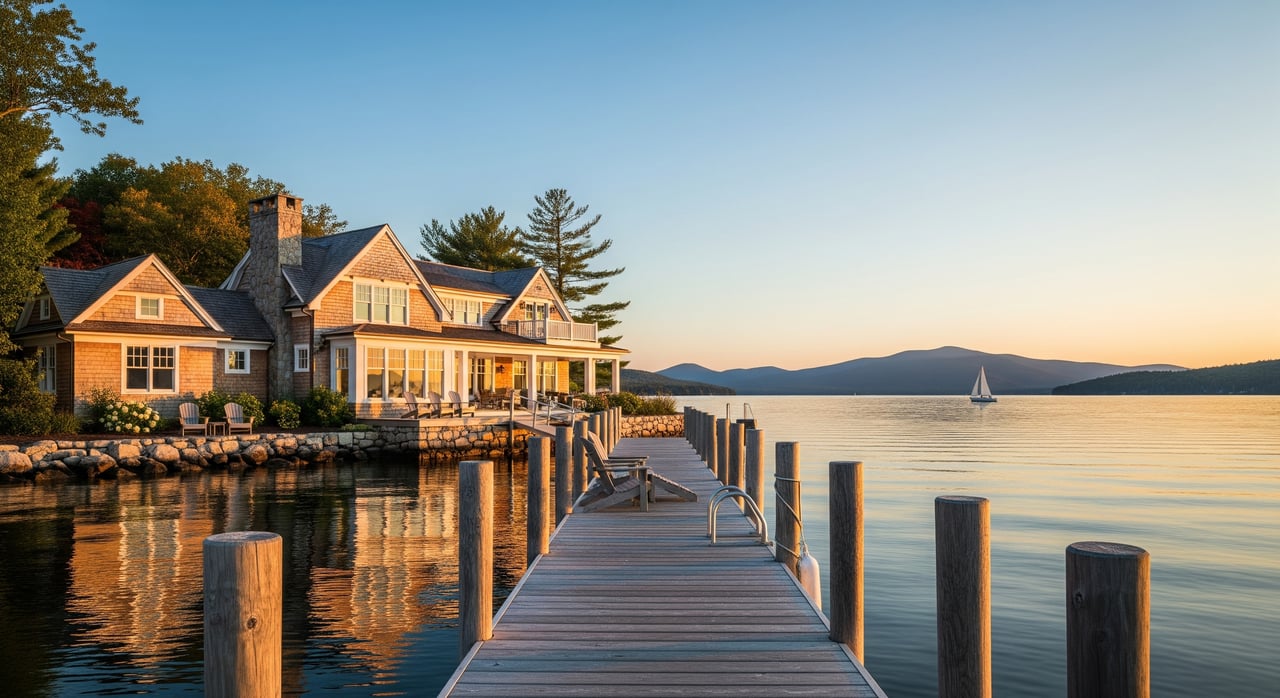
Is there a right month to put your Meredith waterfront home on the market? Timing matters more by the lake than almost anywhere else. You want strong buyer demand, the best light for photos, and a smooth path through permits and inspections. In this guide, you’ll learn when buyer activity peaks on Lake Winnipesaukee and Lake Waukewan, what to prepare before you list, and how to tailor pricing and marketing by season. Let’s dive in.
Best months to list in Meredith
The lake market is seasonal. Meredith’s buyer traffic tends to rise with warm weather, boats in the water, and long evenings. You can still sell well outside the summer window, but your approach should match the season.
Peak season: May to July
The primary window to list is May through July. Buyers want to close in time to enjoy the lake, and your shoreline, dock, and landscaping show at their best. Expect more showings, stronger emotion, and a larger pool of active second‑home shoppers. Photos and drone video captured now will make the most of clear water, green lawns, and open views.
Early fall: September to October
A secondary window opens in early fall. Foliage and soft light can be stunning, and inventory often thins. This can help pricing if your home stands out with year‑round usability. Fall buyers often move at a measured pace and may be thinking ahead to winter access and systems performance.
Winter: November to March
Winter brings fewer showings but more committed buyers. Many are year‑round residents, retirees, or investors. If you list now, emphasize features like insulation, heating, plowed road access, and safe winter shoreline conditions. Plan ahead for photography because drone work or dock access can be weather dependent. Provide summer images alongside current shots to show full‑season appeal.
What can shift your timing
- Inventory levels. If competing listings are scarce, even an off‑season debut can deliver a strong outcome.
- Your pricing goals. If you want top‑of‑market pricing, favor late spring and early summer. For speed, consider windows with fewer competing homes.
- Local events. Summer tourism and lake events boost exposure. You can avoid major town event weekends if they constrain showings, or use them to drive open‑house traffic.
Match buyer type to season
- Second‑home buyers. Most active in spring and summer, often with flexible financing or cash.
- Year‑round buyers and retirees. Active all year, sometimes preferring fall and winter to assess cold‑season performance.
- Investors and vacation‑rental buyers. May hunt for offseason value yet compete in summer for properties with strong rental potential.
Waterfront prep: permits, inspections, and disclosures
Waterfront homes require specialized preparation. Clear documentation builds trust and keeps deals moving.
Confirm ownership and water rights
- Riparian and littoral rights. Verify deeded water access, shoreline boundaries, and any shared or association arrangements.
- Dock, boathouse, and mooring. Gather permits, surveys, maintenance records, and contractor warranties. Be ready to explain ownership and upkeep responsibilities.
Shoreline compliance and improvements
- Setbacks and structures. Identify shoreline work that required permits and confirm compliance with local zoning and shoreland rules.
- Erosion and buffers. Document stabilization efforts, retaining walls, vegetative buffers, and shoreline assessments.
- Environmental and invasive species. Note known aquatic invasive plant concerns and any participation in local boat‑inspection or decontamination programs.
Water, septic, and utilities
- Septic system. Schedule a current septic inspection and address repairs early. These systems can be older by the water and are a common contingency.
- Well and water testing. Provide depth, pump history, and recent test results.
Flood and insurance
- Flood zone status. Check current flood maps and be prepared with insurance information and any elevation documents. Buyers often request these early.
Disclosures and documents to prepare
- State‑required seller disclosures and any lead‑paint forms if applicable.
- Dock use agreements, mooring details, shoreline stabilization history, permits, and recorded easements.
- A recent survey showing shorelines, docks, and property bounds to reduce uncertainty.
Expect longer timelines for these contingencies
- Verifying dock and mooring permissions or municipal availability.
- Shoreline and permit compliance reviews.
- Specialized inspections for septic, boathouses, docks, or erosion.
- Appraisals, since true waterfront comparables can be limited.
Pricing and marketing that fit the season
Your pricing and promotion should match how buyers shop each time of year and what they value most.
Pricing strategy
- Use true waterfront comps. Compare to recent sales on the same lake, and ideally the same bay or shoreline. Water depth, type of frontage, views, and private versus association docks all influence value.
- Aim high in spring and summer. Buyer emotion and immediate usability typically support stronger pricing.
- Anchor thoughtfully off‑season. Set a data‑driven list price that reflects current activity, and highlight winter‑ready features that matter to year‑round buyers.
Spring and summer marketing
- Feature active‑living elements: working docks, moorings, swimming areas, outdoor kitchens, and entertaining spaces.
- Capture high‑quality summer photography and drone imagery to showcase shoreline, views, and lot orientation.
- Spotlight proximity to Meredith Harbor, marinas, restaurants, and local amenities.
- Consider twilight photos and weekend open houses to maximize light and traffic.
Early fall marketing
- Showcase foliage views and position the home as a year‑round base.
- Emphasize heating systems, insulation, and winter access.
- Target buyers seeking a calmer search window and four‑season enjoyment.
Winter marketing
- Lead with winterized systems, driveway and road maintenance details, and reliable HVAC performance.
- Include a summer photo set to help buyers imagine warm‑weather use, and be transparent about current winter shoreline conditions.
- Reach retirees and long‑term owners planning ahead for full‑time lake life.
Open houses and showings
- Time showings for calm water and good light when possible.
- In season, ensure docks are safe and staged with seating to highlight outdoor living.
Your 8–10 week pre‑listing timeline
Each step below helps you sidestep delays and present your home with confidence.
8–10 weeks out
- Consult a waterfront‑experienced agent for pricing and a staging plan specific to your shoreline and dock.
- Gather deeds, surveys, septic and well records, dock or boathouse paperwork, association documents, and any engineering reports.
- Order a preliminary title review and address boundary or encumbrance questions early.
6–8 weeks out
- Schedule septic inspection and well water testing, then complete repairs as needed.
- Hire a surveyor or locate an existing certified survey that shows the shoreline and structures.
- Check with Meredith Planning and Zoning about dock permits, mooring registration, and required disclosures.
4–6 weeks out
- Complete safety and maintenance work for docks, shoreline stabilization, and erosion mitigation.
- Plan shoreline cleanup and landscaping to hit peak photo dates if listing in season.
- Book professional photography and drone. If listing off‑season, plan a second shoot to capture summer or fall.
2–4 weeks out
- Assemble a property information packet: survey, septic and well reports, permit records, association rules and fees, recent utility bills, insurance details, and any rental history.
- Do final staging and consider a pre‑listing inspection to catch last‑minute issues.
- Finalize pricing, marketing calendar, and launch date with your agent.
What to include in your listing packet
- Recent professional photos and aerials
- Floor plan and property boundary survey
- Septic inspection report and well test results
- Dock, boathouse, and shoreline permits or repair documentation
- Clear statement of water access type and mooring availability
- Flood zone designation and insurance contact details
- Association bylaws, fees, and mooring rules if applicable
- Helpful contacts for town and lake association resources
Local resources to know
- Meredith Town Offices and Planning/Zoning. Confirm procedures for docks, shoreline activity, moorings, and local zoning questions.
- Belknap County Registry of Deeds and Assessor. Access deed history, tax information, and recorded easements.
- New Hampshire Department of Environmental Services (NHDES). Review state guidance on wetlands, shoreline regulations, water quality, and permitting.
- FEMA Flood Insurance Rate Maps. Determine flood zone status and whether elevation certificates may be needed for insurance.
- Local lake associations and conservancies. Look for updates on water quality, invasive species, and seasonal boating guidance for Lake Winnipesaukee and Lake Waukewan.
Ready to choose your date?
If you want maximum buyer energy, May through July is your strongest window. Early fall offers standout scenery and less competition, and winter rewards a thoughtful, documentation‑first approach. No matter the month, you set the stage by confirming shoreline rights and permits, completing septic and well checks, and presenting the home with professional visuals that capture all four seasons.
You do not have to navigate this alone. As a Lakes Region waterfront specialist, our team pairs deep local knowledge with luxury‑grade marketing that includes professional photography, drone video, and targeted exposure. When you are ready to plan your listing timeline on Lake Winnipesaukee or Lake Waukewan, reach out to Lake Mountain Property Group for a tailored strategy.
FAQs
What is the best month to list a Meredith waterfront home?
- May through July typically brings the largest buyer pool and strongest emotional appeal, with early fall a solid secondary window and winter best for serious year‑round buyers.
How do permits and rights affect my sale on Lake Winnipesaukee or Lake Waukewan?
- Buyers expect clear proof of dock ownership, mooring permissions, shoreline work permits, and any shared or association arrangements, so gather documents before you list.
Should I complete a septic inspection and water test before listing?
- Yes, waterfront homes often rely on septic and well systems, and providing recent inspections can reduce contingencies and speed negotiations.
How does flood zone status impact pricing and insurance?
- Buyers commonly ask for flood map details and insurance estimates early; be ready with your flood designation and any elevation documents to support underwriting.
Do seasonal photos and drone video really matter for waterfront listings?
- Yes, seasonal and aerial visuals showcase shoreline, views, dock setup, and lot orientation, which increases engagement and helps out‑of‑area buyers decide to tour.