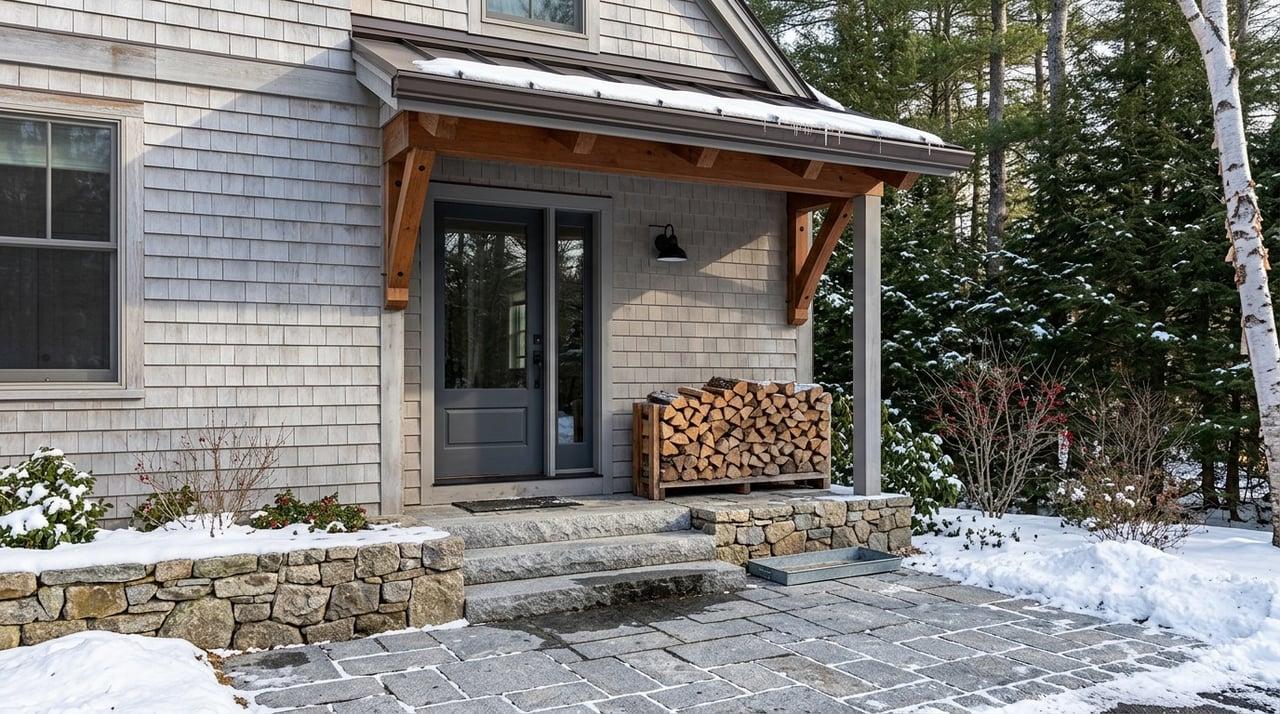
If you are dreaming about a lake home in Gilford that works in every season, the view is only part of the story. A beautiful shoreline setting can still feel frustrating in January if the driveway is steep, the plumbing is vulnerable, or the dock and shoreline work were never properly approved. When you know what to check before you buy, you can focus on finding a home that feels just as comfortable in February as it does in July. Let’s dive in.
Why year-round living in Gilford is different
Gilford sits along the southern shore of Lake Winnipesaukee and near the northern slopes of the Belknap Mountain range. That setting gives you the best of Lakes Region living, but it also means your home has to handle both lakefront lifestyle needs and practical day-to-day living through all four seasons.
The town supports permanent residents, seasonal residents, and many visitors throughout the year. Gilford also has local schools in town, fire-rescue and ambulance staffing, and a highway division that maintains more than 180 lane miles of road with plowing and drainage work. That year-round service structure makes Gilford more practical than a purely seasonal area, but each property still needs careful review.
Start with winter access
In Gilford, winter access can shape your experience as much as the waterfront itself. The town plows roads and works on drainage, but your private driveway and lot layout are still your responsibility as a homeowner.
When you tour a property, pay attention to the driveway grade, how easy it is to turn around, and whether there is enough room to park without creating snow-management problems. On sloped lake lots, a dramatic entrance may look appealing in summer, but it can be much less convenient during snow and ice season.
Drainage also matters around the home. You want to understand where snowmelt goes, whether runoff flows toward the foundation, and whether lower parking areas or walkways stay usable when conditions change. In many Gilford lake homes, drainage is just as important as the view.
Key winter access questions
- Is the driveway steep or difficult to navigate in snow?
- Is there enough space for vehicles to turn around safely?
- Where will plowed snow be stored?
- Does meltwater move away from the house and foundation?
- Are stairs, walkways, and entry points manageable in winter?
Prioritize heating and freeze protection
A year-round lake home should be built or updated for cold-weather performance. A nearby official climate benchmark from Concord shows a winter average low of 15.7°F and 48.3 inches of winter snowfall, which helps explain why heating reliability and freeze protection matter so much in this part of New Hampshire.
That does not just mean asking whether the heat works. You should also look at how the house performs when it sits empty for stretches of time, which is common for second-home owners. Reliable heating, insulated plumbing, and a home layout that stays stable in cold weather can help protect both comfort and property condition.
Roof history is another big item. Ask about past ice-dam issues, winter roof maintenance, and whether snow and ice patterns have caused problems along eaves or entry points. A lake home that handles winter weather well can save you time, stress, and unexpected repair costs.
Features that add everyday comfort
Some floor-plan features become much more valuable once you live through a full winter in Gilford:
- Garage or covered parking
- Mudroom or entry drop zone
- Dry storage for lake gear and winter equipment
- Practical space for boots, coats, and wet clothing
- Lower-level or walk-out areas that stay dry
These may sound simple, but they can make a major difference in how easy the home is to use year-round.
Look closely at the lot, not just the house
Many buyers focus first on the interior, then the view, and only later think about the lot. In Gilford, the lot itself often tells you how functional the property will be in every season.
A sloped waterfront lot may offer excellent scenery, but it can also create challenges with drainage, stairs, parking, shoreline access, and snow management. Flat or gently sloping land may be easier to live with full-time, even if the setting feels a little less dramatic at first glance.
You should also look at how you move through the property in bad weather. Consider the distance from parking to the front door, the number of steps to the water, the exposure to wind, and whether the outdoor areas feel practical outside peak summer months.
Understand waterfront and shoreline rules
In Gilford, waterfront due diligence is essential. The town zoning ordinance applies special standards to land within 100 feet of Lake Winnipesaukee in the Island and Shore Frontage District, and no building or structure other than docks and boathouses may be built within 50 feet of the lake.
That means shoreline homes often come with important limitations that are not obvious from listing photos. If you are thinking about future changes, such as expanding outdoor areas, adjusting a structure, or modifying waterfront improvements, those rules can directly affect what is possible.
The town also states that any construction in Gilford requires a building permit. For buyers, that makes permit history a core part of reviewing a property, especially if the home is older or has had multiple additions or shoreline updates over time.
Why permit history matters
Gilford’s Planning and Land Use Department keeps a file for each property with subdivision, site-plan, and building-permit history. Reviewing that file can help you understand whether visible improvements were properly documented and whether past work aligns with town records.
This is especially important for older lakefront properties. In the Lakes Region, the usability and long-term value of a property often depend as much on legal compliance and site constraints as on the house itself.
Verify dock and shoreline approvals
Waterfront ownership can come with extra layers of review beyond the town. Under New Hampshire’s Shoreland Water Quality Protection Act, construction, excavation, or filling in protected shoreland cannot begin without a permit from NHDES unless the work qualifies for permit-by-notification.
For buyers, this means it is smart to verify the approval history for dock work, shore stabilization, fill, grading, and other shoreline changes. If a waterfront area has been altered over the years, you want to understand what was approved by the town, what was approved by the state, and whether those records match the property as it exists today.
This step can be especially important if you are buying with plans to improve or personalize the waterfront. A property with a great shoreline setup today may still have limitations on future changes.
Confirm what “lake access” really means
Not every Gilford lake property offers the same type of access. Some homes include private waterfront rights, some come with deeded shared access, and others may rely on town facilities.
That distinction matters. Glendale Docks, for example, is for Gilford residents and residential taxpayers only, includes two boat ramps and three docks, requires a permit from April 1 through October 31, and is busiest from Memorial Day through Labor Day. If a listing mentions lake access, you should confirm exactly what that means in practice.
Access details to clarify before you buy
- Does the property have private waterfront rights?
- Is there deeded shared access or a shared beach arrangement?
- Are you relying on a resident-only town facility?
- Are decals, permits, or guest cards required for use?
- Are there seasonal rules that affect docking or launching?
Clear answers here can help you avoid assumptions and make sure the property fits your boating and recreation goals.
Check utilities and daily-life logistics
A year-round home should work well on an ordinary Tuesday, not just on summer weekends. That is why utility and service questions matter as much as the fun parts of lake ownership.
Start by confirming whether the property is served by sewer or septic. The town’s planning guidance notes that for some older or non-conforming lots, buildability and future use can depend on driveway approval, septic approval or a sewer permit, and current setbacks.
You should also understand local trash and recycling logistics. Gilford accepts residential trash and recyclables at the local recycle center, but there is no publicly sponsored curbside collection, and a current taxpayer sticker is required to use the facility. For full-time living, that is an important detail to know before closing.
Think about long-term livability
A true year-round lake home should support your life in every season, not just your summer plans. Gilford offers a broader community setup than many seasonal shoreline areas, with schools in town, public facilities, parks, an ice rink, Gilford Beach, and municipal services that support daily living.
If you are choosing between a second home and a primary residence, these practical factors can matter just as much as the lot and the lake view. You want a home that fits your routines, your storage needs, your winter comfort level, and the way you actually plan to use the property.
That is often the difference between a home that feels magical for a few weeks a year and one that truly works for the long haul.
A smart Gilford buyer checklist
Before you move forward on a year-round lake home, make sure you confirm these essentials:
- Winter road and driveway access
- Parking, turnaround space, and snow storage
- Drainage and snowmelt patterns
- Heating reliability and freeze protection
- Roof and ice-dam history
- Sewer versus septic service
- Building-permit and town-file history
- Shoreline, dock, fill, and grading approvals
- Type of waterfront or lake-access rights
- Trash, recycling, and facility-use logistics
In Gilford, details matter. The right property is not just attractive in peak season. It is comfortable, functional, and well-documented year-round.
If you are weighing waterfront options in Gilford or anywhere in the Lakes Region, working with a team that understands winter access, shoreline rules, and day-to-day lake living can make the process much smoother. To start your lake property search, connect with Lake Mountain Property Group.
FAQs
What should you look for in a Gilford year-round lake home during winter?
- Focus on driveway slope, parking, snow storage, drainage, heating reliability, freeze protection, and any roof or ice-dam history.
What waterfront rules matter for Gilford lake homes?
- Gilford applies special zoning standards near Lake Winnipesaukee, including limits on what can be built close to the water, and construction in town requires a building permit.
What should you verify about a Gilford dock or shoreline area?
- Confirm town and state approval history for docks, grading, fill, shore stabilization, and other shoreline changes.
What does lake access mean for a Gilford home listing?
- It may mean private waterfront rights, deeded shared access, or use of town facilities, so you should confirm the exact access rights tied to the property.
What daily-life services should you check for a full-time home in Gilford?
- Review sewer versus septic service, trash and recycling logistics, road access, and how the property fits your year-round routines.