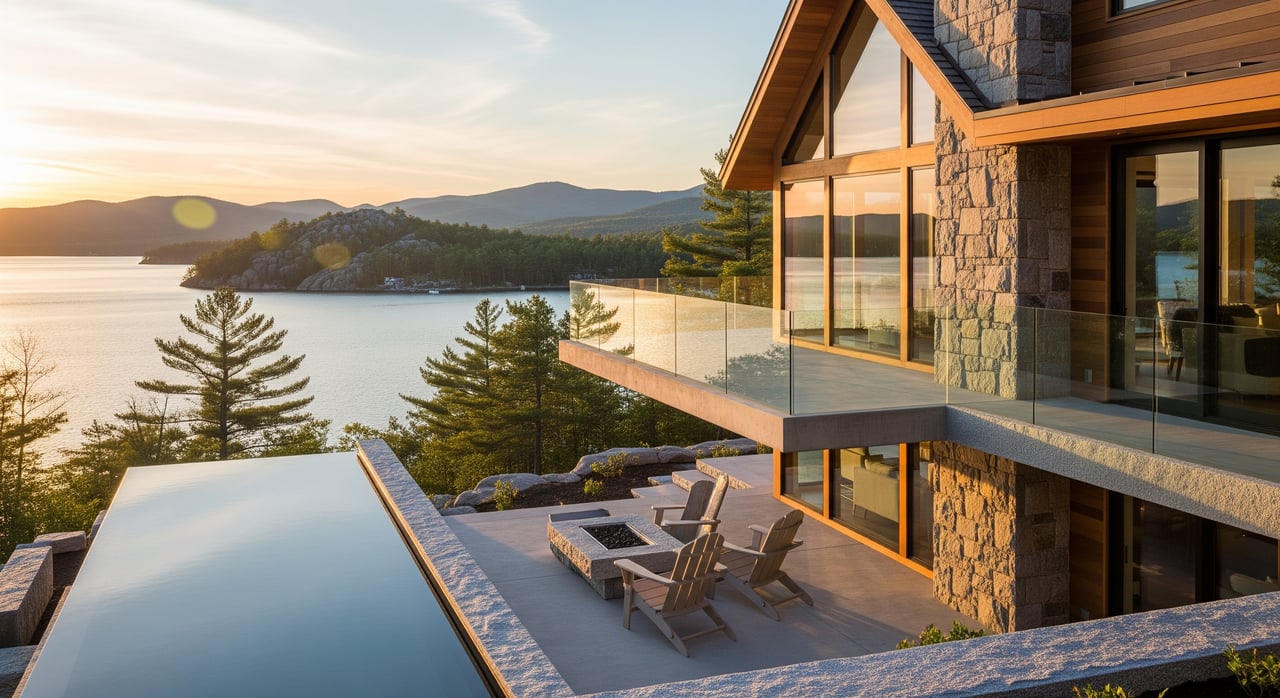
Chasing a Winnipesaukee sunset is part of the magic of living in Moultonborough. If you are shopping for a home or preparing to sell, understanding how exposure and topography shape your view can be the difference between a postcard moment and a missed opportunity. In this guide, you will learn how to evaluate sunset potential, read a lot’s orientation, and make smart choices that protect value and enjoyment. Let’s dive in.
Why Moultonborough views stand out
Moultonborough blends water and hills, which creates a wide range of view experiences. Much of the town borders Lake Winnipesaukee, including Moultonborough Bay, and there are inland ridgelines that open up long views across valleys and toward higher ground near the Castle in the Clouds area. You will see three common view types here: lakefront and open-water panoramas, elevated ridge or mountain outlooks, and wooded or partial framed views.
Those settings respond very differently to season and weather. Clear, dry days tend to produce the most vivid colors, while haze, humidity or high clouds can soften edges. Leaf cover also matters. Deciduous trees open views in fall and winter and close them in spring and summer, while evergreens provide year-round screening.
Sunset exposure by season in Moultonborough
At this latitude, the sun sets toward the west-northwest in summer and shifts toward the west-southwest in winter. If sunsets are your priority, a west, west-northwest or northwest exposure is ideal for summer evenings. Southwest-to-west exposure delivers stronger winter and spring sunsets when the sun tracks lower and the day ends earlier.
Daylength and sun angle change the feel of your home through the year. Summer brings longer golden-hour light that lingers across decks and docks. In fall and winter, the sun sets at a lower angle that can paint the sky intensely for a shorter window, especially on clear, cold days.
Peninsulas, coves and necks also shape what you see. A shoreline that faces broadly west often captures a wide horizon, while a cove or east-facing segment may limit the sunset view to a slice of color. Elevated inland lots can sometimes see a better western horizon than lower shoreline properties tucked behind nearby landforms.
How topography and trees shape your view
Exposure, or which direction your main living areas and outdoor spaces face, is the first filter. Decks, great rooms and primary bedrooms that face west to northwest usually deliver the most consistent sunset experience. The closer your primary view axis is to true west, the more centered the sunset will appear from your everyday spaces.
Elevation often determines how far you can see. Even a modest rise can clear neighboring roofs and tree crowns to widen your horizon. Properties at lower elevations or inside narrow coves may have restricted sightlines, which can cut off the sun before it reaches the visible horizon.
Vegetation plays a year-round role. Deciduous trees block more in summer and open up in winter, while evergreen stands can limit views in every season unless trimmed or removed within regulations. Many sellers choose selective pruning to frame a view, which balances aesthetics, privacy and compliance.
Neighboring structures and future builds are part of the equation. Docks, boathouses and homes on adjacent lots can affect your sightlines. When you evaluate a property, consider what is there now and what could be built within local rules and typical building envelopes.
For a quick, practical read on a site, simple tools help. Sun path apps can show the sunset azimuth by date, and aerial maps with basic elevation layers can reveal potential obstructions before you visit.
Buyer checklist to verify sunsets and views
Use this step-by-step list to confirm what a listing promises and what you will actually enjoy through the seasons.
- Visit at the right time. See the property at sunset on a clear day, and, if possible, visit in both leaf-on and leaf-off seasons to understand how the view changes.
- Confirm orientation. Use a compass app or an online map to verify that key spaces face west, west-northwest or southwest as desired.
- Review the survey and deed. Check boundaries, setback lines and tree ownership along your view corridor so you know what you can and cannot manage.
- Research permits nearby. Look for recent or pending building permits on adjacent lots to gauge development risk.
- Check recorded documents. Search for covenants, easements or restrictions that could limit tree work, grading, building height or deck placement.
- Use elevation data. Preview sightlines with basic GIS or aerial tools to spot ridges, coves and potential obstructions.
- Ask about utilities and access. Note the location of power lines, septic systems and roads, which can influence where you build viewing spaces or clear vegetation.
- Consider specialists. A certified arborist can advise on selective trimming, a surveyor can place sightline stakes, and a contractor can price decks or terraces.
Seller playbook to showcase view properties
Presenting a view well is as important as having one. Use these steps to highlight what buyers care about most.
- Stage at golden hour. Capture professional photos and short video clips at sunset, and include winter images if leaf-off views are stronger.
- Create viewing spaces. Simple terraces, updated decks or a low-profile seating pad can help buyers picture their daily sunset routine.
- Manage vegetation. Favor selective pruning that frames the view and maintains privacy, and follow local rules for shoreland or wetland areas.
- Provide documentation. Include a survey excerpt with a north arrow, a brief orientation note and copies of any relevant permits or easements.
- Set expectations. Clearly note any seasonal changes, such as broader winter views or partial summer views.
Value and negotiating with views
Views often command a premium, but the amount depends on quality, privacy and usability. Wide open-water or long ridge views typically draw stronger buyer response and can shorten market time. Seasonal or partial views still add value, especially when paired with good access and outdoor spaces.
Price strategy should start with comparable sales that match the view type. Compare waterfront to waterfront and elevated long views to similar outlooks, and adjust for year-round versus seasonal sightlines. As a buyer, you can factor in the cost of opening or improving a view, such as selective trimming or adding a view deck, when shaping your offer.
Sellers benefit from documenting the view value. Provide high-quality imagery, clear orientation notes and any improvement invoices that relate to view access. That transparency helps appraisers and buyers understand the premium.
Rules, permits and protecting view corridors
Local zoning guides where and how you can build, which affects viewing platforms and window placement. Setbacks, lot coverage, shoreline buffers and building envelopes all influence your options. The Moultonborough Planning and Zoning office is the primary point of contact for current rules and permit processes.
State environmental rules may apply to work near wetlands or within shoreland buffers, including tree removal, shoreline grading, new docks or stabilization. Federal wetland regulations can come into play if work affects regulated waters. Always confirm requirements before you trim, clear or build.
Deeds and neighborhood documents matter. Restrictions and conservation easements can limit tree work, grading, building height or siting, which in turn shapes your view potential. View easements can be negotiated to protect a sightline across a neighbor’s land, although they are uncommon and must be recorded to be enforceable.
In most places, there is no automatic right to a view. Property owners generally have the right to manage their land within the law, so long-term protection depends on recorded agreements and smart site planning. Review titles, ask for seller disclosures, and check local permits to understand both current conditions and potential changes around you.
Development risk is a practical consideration. Evaluate nearby vacant lots and their buildable areas, and monitor new applications or permits. On the lake, changes to docks and nearshore structures can affect visual character, so factor that into your planning.
Long-term strategies to preserve a view
If a view is a key part of your purchase or sale, consider ways to protect it beyond routine maintenance.
- Seek a recorded view easement. Where cooperation exists, a narrow sightline easement across a specific portion of a neighboring lot can preserve your horizon.
- Explore conservation options. Scenic or conservation easements on strategic land can prevent future development that would block a view.
- Use landscaping wisely. Design framed views that depend on your own trees and pruning plan, not on future changes to a neighbor’s property.
Making the most of Moultonborough sunsets
When you understand how exposure, elevation and vegetation work together, you can choose a property that delivers the sunset and view experience you want. Visit at the right times, verify orientation with simple tools, and confirm what permits and documents allow you to improve or preserve your sightlines. If you are selling, invest in presentation and clarity, since buyers respond to views they can see and understand.
If you would like expert guidance tailored to your goals on Lake Winnipesaukee and surrounding communities, connect with the local team that markets and closes waterfront properties every season. Reach out to Lake Mountain Property Group to talk through your plan and next steps.
FAQs
Will my Moultonborough view stay the same all year?
- Seasonal leaf cover, weather and potential nearby construction can change sightlines, so visit in multiple seasons and review permits and recorded documents.
Can I trim or remove trees to open a lake view?
- It depends on tree ownership, local ordinances and shoreland or wetland protections, so confirm rules and permits before any major work.
How do I know if a future build could block my sunset?
- Review nearby permits and zoning envelopes, consider a simple viewshed look using elevation data, and consult a surveyor for sightline stakes.
Do all lakefront homes in Moultonborough get sunsets?
- No, shoreline orientation and landforms matter, and some coves or east-facing segments do not provide a western horizon.
Do sunset and long-water views add value when selling?
- Yes, clear and compelling views often command a premium and can reduce time on market, although the amount varies by quality and privacy.
What exposure should I look for to catch summer sunsets?
- West, west-northwest and northwest exposures typically center the summer sunset from decks and main living areas.
What simple tools help me verify sunset angles?
- Sun path apps to check azimuth and aerial or GIS maps with basic elevation data can quickly show where the sun sets and what might block it.