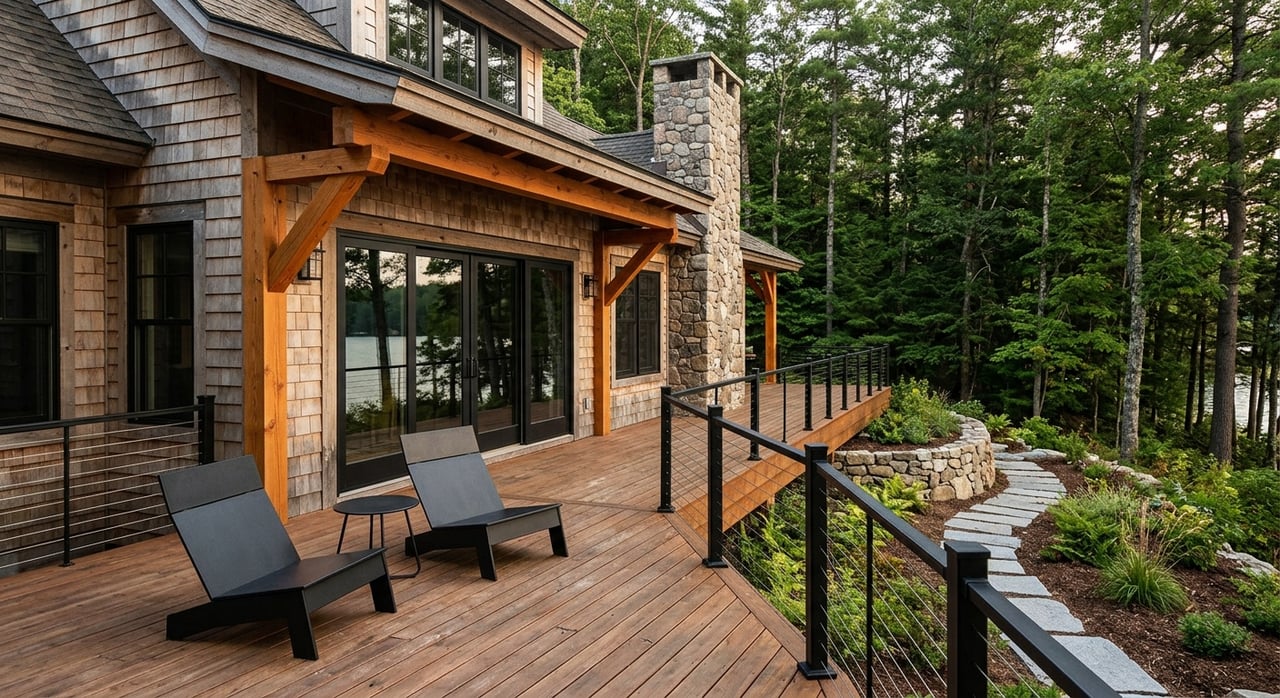
Selling a Wolfeboro lakefront home is not the same as selling a typical property in town. Waterfront value can hinge on shoreline rules, frontage, dock details, view corridors, and how well the home tells a lake lifestyle story online. If you want to protect value and attract serious buyers, a smart plan matters from day one. Let’s dive in.
Know the Wolfeboro lakefront market
Wolfeboro’s identity is closely tied to the water. Town materials describe a community of about 58 square miles with roughly 10 square miles of water, plus a strong recreation and tourism focus, public docks downtown, and a summertime population above 25,000. That means buyers are often evaluating more than the house itself. They are also weighing access, setting, and how the property fits the lake-centered lifestyle.
That local context matters because the market is small and highly specific. In the March 2026 Wolfeboro local market update, there were 9 homes for sale, 0.9 months of inventory, 139 days on market, a median sales price of $538,510, and 84.8% of original list price received. In a thin market like this, broad averages can shift quickly, so your lakefront home should be priced and positioned as a distinct asset, not treated like a standard in-town listing.
Start with shoreland checks
Before you spend money on updates, confirm what you have and what is documented. Wolfeboro shorefront materials note a 1-acre minimum lot area, 150-foot minimum frontage and shore frontage, and a 50-foot shoreline setback in the Shorefront Residential District. ZBA records also describe the zone as intended to protect the shoreline from overdevelopment.
State rules add another layer. New Hampshire shoreland standards generally apply within 250 feet of the reference line for lakes and ponds over 10 acres, and NHDES says primary structures generally belong 50 feet back, accessory structures 20 feet back, and septic setbacks at least 75 feet back. Docks, wharfs, piers, and similar water-dependent structures are also regulated.
This is why documentation matters before launch. If buyers ask whether your dock, patio, shoreline path, or prior excavation work was permitted, you want clear answers ready. A smoother file can reduce uncertainty and help buyers focus on the property’s strengths.
Gather the right property records
A lakefront seller should organize records early. This can include permits, plans, approvals for shoreline work, septic information, and any documents tied to docks or other water-dependent structures. If something is unclear, it is better to sort it out before marketing begins than while you are under pressure from a buyer timeline.
Avoid risky last-minute projects
NHDES guidance notes that many new construction, excavation, and fill projects within protected shoreland require permits, and larger increases in impervious area can trigger stormwater requirements. Guidance also favors pervious materials for certain paths, walkways, and patios near the water. Because of that, the safest pre-listing improvements are often maintenance-based rather than structural.
Focus on updates such as:
- Deep cleaning
- Paint touch-ups
- Minor repairs
- Decluttering
- Landscape cleanup
- Dock-area organization
- Documenting prior permitted work
Price with true waterfront comps
One of the biggest mistakes in a lakefront sale is relying too heavily on townwide averages. Wolfeboro’s median sales price can offer background context, but it should not be used mechanically for a waterfront home. With only a small number of active listings, a few unusual sales can skew the numbers quickly.
A stronger pricing strategy starts with comparable sales that actually reflect the waterfront experience. In Wolfeboro, that means looking closely at features that can materially affect value, including shore frontage, dock or mooring rights, view corridor, seasonal versus year-round access, and whether shoreline improvements are permitted and documented.
What buyers compare on waterfront homes
Buyers do not compare lakefront homes the same way they compare inland homes. They are often measuring usability, privacy, and water access as much as square footage. Two properties with similar size can command very different reactions if one has better frontage, easier access to the shoreline, or more complete documentation.
Useful waterfront comparison points often include:
- Amount and quality of shore frontage
- Dock or mooring rights
- Orientation to lake views
- Outdoor living spaces facing the water
- Year-round versus seasonal access
- Shoreline setback and improvement history
- Overall condition and readiness for use
Launch at a defensible number
A strong launch matters. Research on online visibility shows the first few days after a listing goes live can have an outsized effect on views, saves, and shares. For that reason, pricing should be defensible from the start, with close attention to early buyer response rather than an overly optimistic number that misses the initial wave of interest.
Prepare the home for visual impact
For waterfront listings, online presentation is not optional. Research shows 52% of buyers found the home they purchased online, and 81% rated listing photos as the most useful feature in their search. That makes visual marketing central to your sale strategy.
In Wolfeboro, the lifestyle story should be clear the moment a buyer sees the first image. The home, shoreline, and outdoor living areas should work together to show how the property lives day to day. If the setting is a major part of the value, your presentation should make that obvious.
Stage the spaces buyers remember
Staging works because it helps buyers picture the home as their own. National guidance points to bedrooms, living rooms, and bonus spaces as key areas, and for a Wolfeboro lakefront property, decks, patios, porches, and water-facing sightlines deserve the same level of attention.
Keep the focus simple and intentional:
- Open up water views from main living spaces
- Reduce visual clutter inside and outside
- Define seating areas on decks and patios
- Freshen entry points and approach areas
- Make shoreline access look neat and easy to understand
- Use neutral, clean presentation that lets the setting stand out
For vacant homes, virtual staging may also help buyers understand scale and layout.
Use professional media
Lakefront homes benefit from premium visuals because the setting is part of the product. High-quality still photography, drone imagery, and video can help show shoreline relationship, lot layout, approach, outdoor spaces, and the broader lake context. In a market where buyers may be searching from outside the area, strong media helps your home compete before a showing is ever booked.
Time the listing strategically
Many sellers assume waiting until peak summer is the best move for a waterfront property. That is not always true. National timing studies point toward spring as a strong listing window, with one 2026 report identifying April 12 through 18 as the best week to sell nationally and another 2025 analysis finding that homes listed in the last two weeks of May sold for 1.7% more nationwide.
For Wolfeboro, the practical takeaway is to be ready early. Spring can offer a useful balance because the property can show well, waterfront features become visible, and you can launch before summer activity creates distractions. The ideal timing is usually when the home is fully prepared, photographed properly, and easy to tour safely.
Match timing to the season
Wolfeboro’s seasonal rhythm matters. Town materials highlight its summer population surge, downtown docks, and recreation-heavy identity. That can shape what buyers notice and how the property should be shown.
In winter, safe access is critical. Clear plowing, walkways, and entrances can affect the showing experience. In warmer months, buyers will pay close attention to dock use, outdoor gathering spaces, and how the home connects to the water.
Build a buyer-ready story
A successful Wolfeboro lakefront sale is part pricing strategy, part compliance preparation, and part lifestyle marketing. Buyers want to understand not only what the home is, but also how it works. The more clearly you present access, documentation, setting, and everyday use, the easier it becomes for a buyer to see the value.
That is especially important in a thin market where each waterfront home has its own strengths and tradeoffs. A tailored approach can help your property stand out for the right reasons and reduce friction once interest starts building.
Why expert guidance matters
Sellers consistently value help with marketing, pricing, and selling within a specific timeframe. For a Wolfeboro lakefront property, those needs become more specialized because waterfront homes involve more moving parts than a typical sale. Shoreland rules, marketing presentation, comparable selection, and seasonal timing all need to work together.
That is where local waterfront experience can make a difference. A team that understands Lakes Region buyer behavior, premium visual marketing, and the nuances of docks, frontage, setbacks, and documentation can help you make sharper decisions before your listing ever hits the market.
If you are thinking about selling a Wolfeboro lakefront home, Lake Mountain Property Group can help you build a strategy that fits your property, timing, and goals.
FAQs
What makes selling a Wolfeboro lakefront home different?
- Wolfeboro lakefront homes often require more detailed pricing, shoreline documentation, and lifestyle-focused marketing because value can be shaped by frontage, water access, views, and shoreland rules.
Should you check dock and shoreline permits before listing a Wolfeboro waterfront property?
- Yes. Wolfeboro shorefront rules and New Hampshire shoreland standards can affect docks, patios, shoreline work, structures, and setbacks, so it helps to verify records before going to market.
Can you price a Wolfeboro lakefront home using townwide comps?
- Townwide data can provide context, but true waterfront or lake-access comparables are usually more reliable because they better reflect frontage, access rights, view value, and regulatory history.
When is the best time to list a Wolfeboro waterfront home?
- Spring is often a strong window because national timing studies favor it, and it can allow you to launch when the property is prepared, the waterfront features are visible, and summer distractions have not fully peaked.
Do you need staging for a Wolfeboro lake house sale?
- Selective staging is usually worthwhile because it helps buyers picture the home and puts attention on the living areas, bedrooms, porches, decks, patios, and water-facing spaces that shape first impressions.