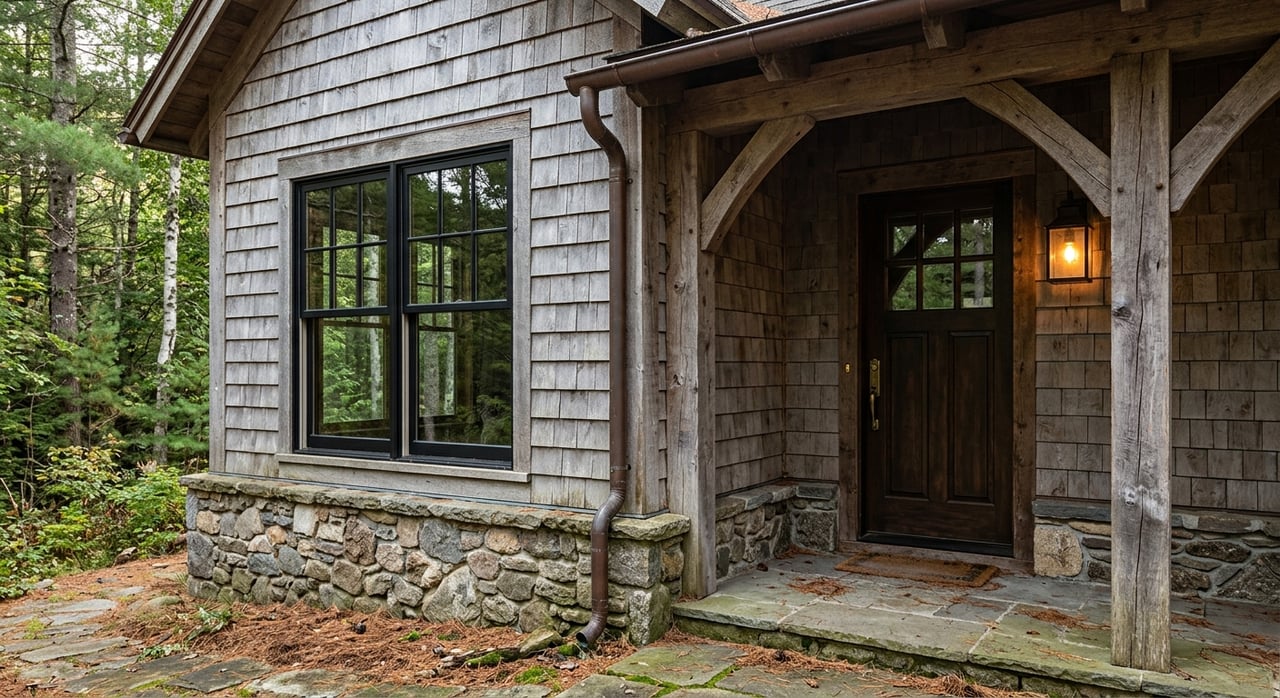
Thinking about taking your rustic camp on Lake Winnipesaukee to the next level, or selling and trading up to a turnkey home? You are not alone. Many Moultonborough owners face the same decision, and the answer comes down to rules, costs, and what today’s buyers want. In this guide, you will learn the local permits that shape what you can do, the 2024 septic law that affects every waterfront sale, the biggest renovation cost drivers, and a simple path to a clear decision. Let’s dive in.
How local rules shape your options
Protected shoreland basics
If your property sits within 250 feet of the lake’s reference line, you are in New Hampshire’s protected shoreland. The Shoreland Water Quality Protection Act sets limits on vegetation removal, excavation, and new construction. It also caps impervious surface coverage at 30 percent of the lot unless you install an approved stormwater system. Septic setbacks from the shore commonly fall between 75 and 125 feet depending on soils. Review the statute for buffer rules, impervious caps, and setbacks in RSA 483-B.
Town permits and sequencing
Moultonborough will not issue a building permit until you secure required state approvals for shoreland, septic, and any wetland impacts. The town’s residential building permit guidance outlines submittals and notes review timelines, often up to 30 days for one and two family projects. Start early and plan for multi-agency coordination using the town’s residential building permit checklist.
Moultonborough’s zoning also includes a floodplain overlay. If any portion of your lot falls in a FEMA special flood hazard area, extra standards apply. Check your parcel’s status using the town’s zoning page and Carroll County FEMA FIRM panels.
State permits you may need
Most earthwork or construction within the protected shoreland requires a Shoreland Permit from NHDES. The program enforces erosion control, vegetation, and stormwater standards. See permit guidance in the NHDES Shoreland Program overview.
If you plan to replace or expand your septic, you will need a licensed designer and Subsurface Systems Bureau approval. NHDES details septic evaluation and design expectations in fact sheet SSB-14. Work that touches banks, wetlands, or dredge and fill areas typically requires additional state wetlands permits.
The 2024 septic rule and why it matters
As of September 1, 2024, buyers of developed waterfront properties where any part of the septic system lies within 250 feet of the reference line must obtain a licensed septic evaluation. If the evaluator or designer finds the system failing, repair or replacement becomes the buyer’s obligation after closing, subject to reporting and deadlines. Read the law at RSA 485-A:39.
What this means for you:
- If you sell, expect buyers to factor septic condition into price and terms. A failing system can prompt a concession or contingency.
- If you upgrade, coordinate septic design and permitting up front. The replacement location and setbacks often drive feasibility and cost on shoreline lots.
- Clear disclosure and recent documentation reduce friction and keep you in control of negotiations.
What it really costs to convert a camp
Turning a seasonal camp into a comfortable, code-compliant, year-round home can be rewarding, but budgets vary widely by site. These are the items that most often determine cost and timeline.
- Septic replacement or expansion. Full system replacements in New Hampshire often range around 14,000 to 30,000 dollars, with higher costs for advanced treatment or hard-access sites. Get a licensed designer’s site-specific estimate. See ranges in this New Hampshire septic cost guide.
- Foundation and frost protection. Many camps sit on piers or shallow footings. Year-round use may require a frost-protected shallow foundation, insulated crawlspace, or a full foundation. Costs swing from several thousand to tens of thousands, depending on ledge and access. Review New Hampshire build-cost context here, then get a structural assessment.
- Heating and insulation. Cold-climate heat pumps are popular in New England and offer efficient, year-round comfort. Whole-house installs commonly land in the low-to-mid five figures depending on size and zones. Learn more about heat pump system considerations in this cold-climate overview.
- Electrical service. Old panels may not support modern HVAC, hot water, and kitchen loads. Panel and service upgrades add several thousand dollars, so include them in bids.
- Windows, doors, and moisture control. Replacing single-pane windows, improving doors and flashing, and adding balanced ventilation helps comfort and durability. National cost-versus-value studies show exterior and modest system upgrades often recapture a strong share of cost at resale. See the latest remodeling cost vs value report.
- Access and parking. Winter access, snow clearing, and private road agreements matter for year-round use. The town’s permit checklist calls out driveway and private road items, so review the application requirements.
- Dock or shoreline work. Dock repairs and boathouse changes often need separate approvals. Start with the NHDES Shoreland Program guidance and verify permit type before you plan work.
Timing tip: interior-only updates can move fast, but shoreland, septic, or wetland work often adds weeks to many months because state reviews, surveys, and engineered plans take time. Build that into your calendar.
Market signals on Lake Winnipesaukee
Local reporting shows that Moultonborough waterfront inventory remains tight. Annual medians for waterfront sales have ranged roughly from the low one millions to the upper two millions in recent years, and buyers consistently favor updated, move-in-ready homes over rustic camps. That dynamic rewards well-executed renovations, but it also means a true turnkey property can reach a broader buyer pool and sell faster than a seasonal camp.
If your goal is top-of-market pricing in a reasonable timeframe, the strongest demand is typically for year-round, well-maintained waterfront homes with modern systems. If your camp needs a new septic, foundation work, and full HVAC to meet that standard, you will want clear numbers before committing to a renovation.
A simple decision path
Use this step-by-step framework to compare “upgrade” versus “sell.”
- Confirm your rules and baseline
- Verify whether you are in the protected shoreland and note your current impervious surfaces and buffers. Start with RSA 483-B.
- Check flood status on the Carroll County FEMA panels, since that can affect insurance and lending.
- Order a septic evaluation and feasibility review
- Hire a licensed evaluator or designer to assess condition and identify replacement options and setbacks. See NHDES guidance in SSB-14.
- Do a shoreland permit pre-check
- Share your concept with the town Code & Compliance Officer and NHDES staff to learn which permits will be required. Reference the town’s permit application for attachments and timing.
- Get firm, line-item contractor bids
- Request written quotes from a structural contractor, septic designer/installer, HVAC contractor, and electrician. Separate permit-driven items such as erosion control, rock excavation, and stormwater measures.
- Obtain a local CMA
- Ask a Winnipesaukee-experienced agent for pre- and post-renovation comparables. The CMA is the backbone of your ROI calculation.
- Do the math
- Compare: A) total renovation cost to reach turnkey status, B) likely increase in value from the CMA, C) carrying costs during the project, and D) your lifestyle value if you plan to keep the home. Use conservative estimates and add a permitting/time contingency.
- Choose your path and act
- If you renovate: submit permits first, lock contractor schedules, and sequence septic, foundation, and envelope upgrades before finishes.
- If you list: focus on targeted improvements that reduce buyer friction (mechanical reliability, exterior cleanup, safe access), and provide clear septic and shoreland documentation up front.
Smart improvements if you decide to sell
If a full renovation does not pencil out but you still want a stronger sale, prioritize updates that broaden your buyer pool without overcommitting capital.
- Repair or service core systems: water, electrical, and heating. Reliable basics build confidence.
- Refresh the exterior: clean, paint or stain, repair decking and steps, and address visible rot or peeling.
- Improve first impressions: new entry door hardware, lighting at the drive and entry, and tidy shoreland-compliant landscaping.
- Consider modest kitchen and bath refreshes, not full custom overhauls. National reporting shows these projects often recapture a higher share of cost than large additions. Review the cost vs value trends.
Let’s talk about your next step
You deserve a clear, local plan for your Moultonborough lake property. If you want help weighing a renovation against a sale, or you are ready for a data-driven CMA and a shoreland-aware marketing strategy, our team is here. Connect with Lake Mountain Property Group for a no-pressure consult tailored to your frontage, systems, and goals.
FAQs
What is NH’s protected shoreland and how does it affect my camp?
- New Hampshire regulates most construction, vegetation removal, excavation, and impervious surfaces within 250 feet of the lake’s reference line, with specific buffer and setback standards that can limit expansion; review RSA 483-B basics before planning work.
Which permits do I need before renovating a Moultonborough waterfront camp?
- Most shoreline projects require an NHDES Shoreland Permit, septic approvals for new or replacement systems, and possibly wetlands permits, and the town will not issue a building permit until required state approvals are in hand; see the town’s permit checklist.
How does the 2024 NH septic evaluation law impact a sale near Lake Winnipesaukee?
- Buyers must obtain a licensed septic evaluation when any system component is within 250 feet of the shore; if failing, buyers are obligated to repair or replace after closing under RSA 485-A:39, which influences pricing and contingencies.
How long do shoreland and septic permits typically take?
- Interior-only work can move in weeks, but shoreland, wetlands, and septic approvals often add weeks to many months due to surveys, engineered plans, and state review; build this timeline into your project plan using the town’s process overview.
What renovations usually add the most resale impact for waterfront homes?
- Buyers prioritize updated, move-in-ready systems, solid exteriors, and modest kitchen or window updates over large custom additions; national reports show curb appeal and system reliability often deliver stronger value, as seen in the cost vs value report.
Can I expand my footprint or add a garage near the water in Moultonborough?
- Possibly, but footprint changes within the protected shoreland are tightly regulated by buffer rules, impervious caps, and setbacks; consult RSA 483-B and schedule a pre-application review with the town and NHDES before drawing plans.