Thinking about turning your Wolfeboro waterfront home into a short-term rental, or tightening up the way you already host? You are not alone. Seasonal demand on Lake Winnipesaukee, Lake Wentworth, and nearby lakes makes Wolfeboro a popular spot for summer weeks, foliage getaways, and winter ski weekends. This guide walks you through the rules, taxes, safety steps, and on-the-water considerations that matter most so you can host confidently and protect your property. Let’s dive in.
Wolfeboro demand and guest expectations
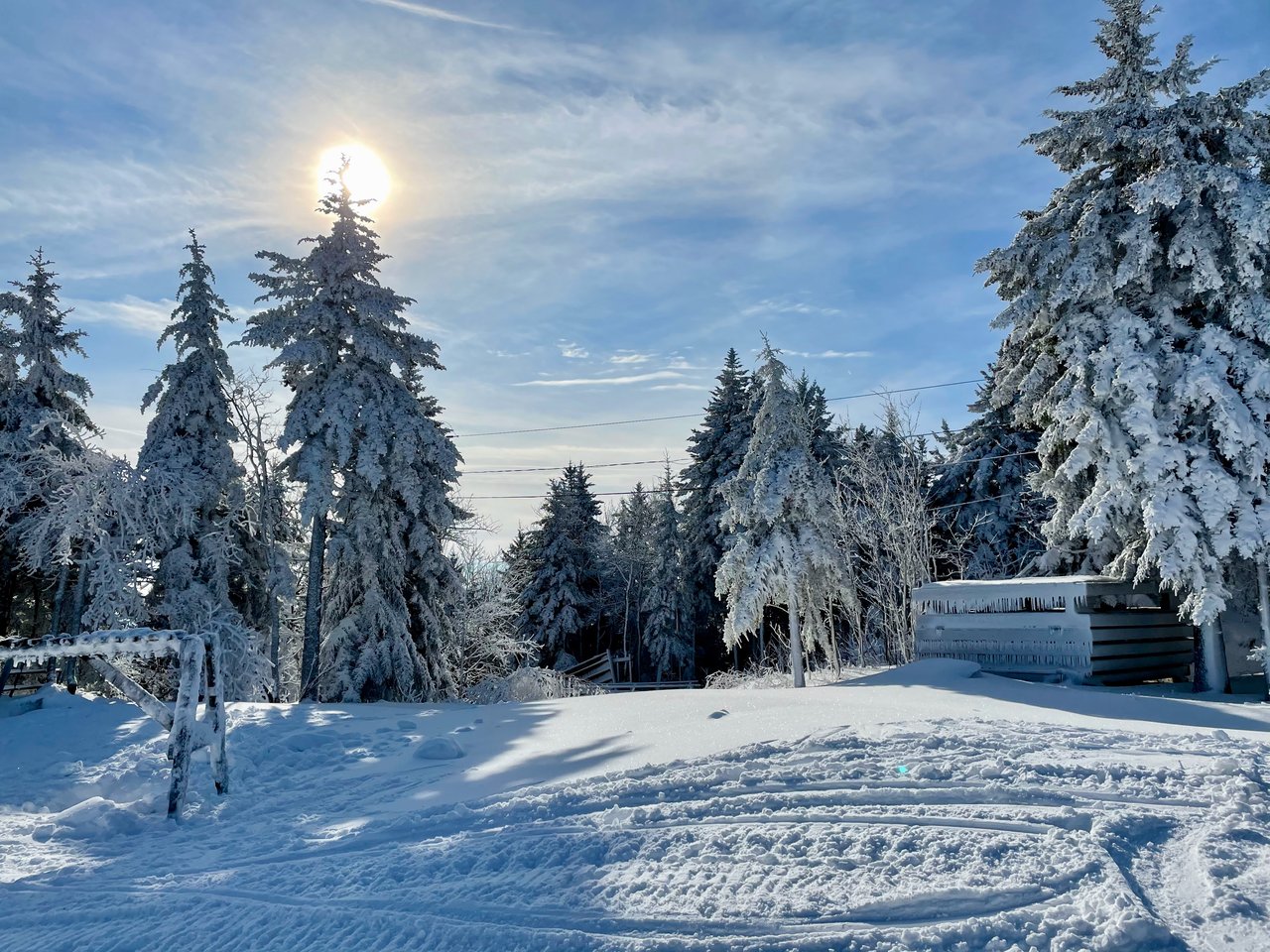
Summer is peak season in Wolfeboro, especially late June through August, with strong interest around holiday weeks like July 4 and Labor Day. Fall foliage and winter holiday periods also attract visitors thanks to regional events and nearby ski areas. Bookings can start early, so planning your calendar and pricing by season is smart.
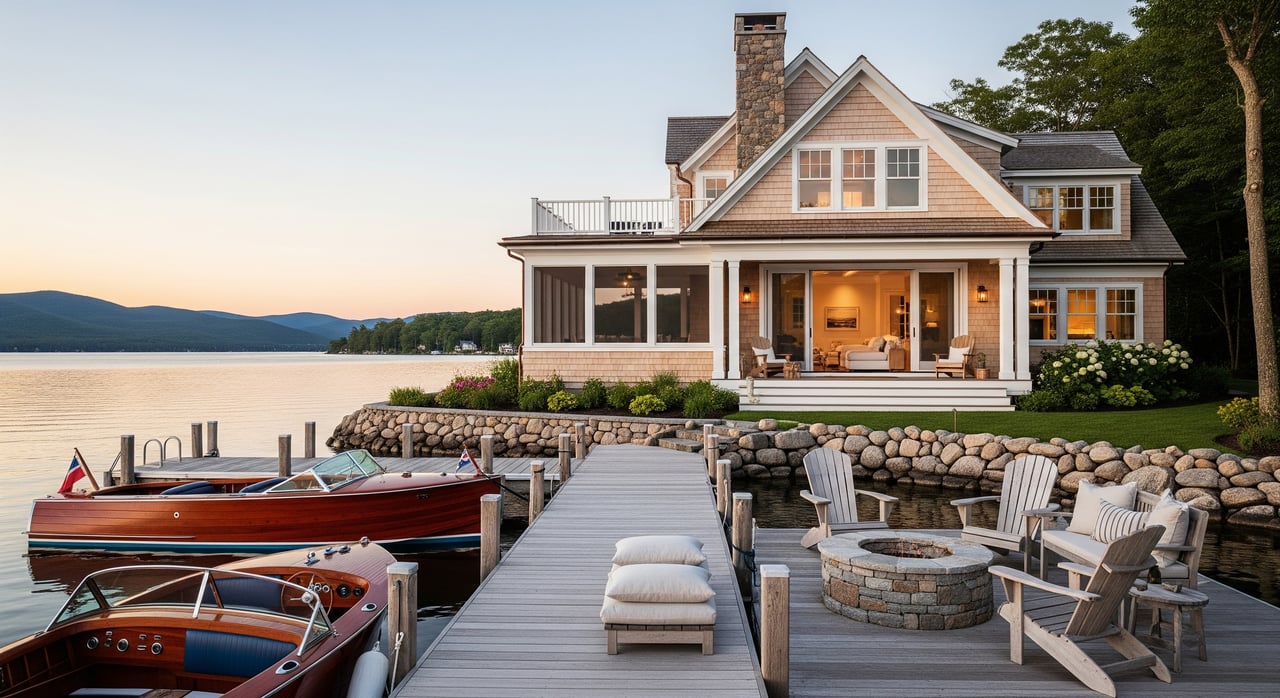
Guests booking waterfront stays usually expect a few core features. Direct or easy water access, a safe swimming area with clear guidance on depth and conditions, and life jackets in various sizes rank high. Dock access, kayaks or paddleboards, a mooring or clear info on local boat rentals, strong Wi‑Fi, and simple house rules for noise, parking, and pets can help you earn great reviews.
If you want more precise rate and occupancy benchmarks, you can review STR analytics platforms and local market trends. Platforms with regional insights and local tourism calendars can help you set a seasonal strategy and adjust shoulder-season pricing.
Wolfeboro rules and permits
Zoning and STR registration
Start with the Town of Wolfeboro. Planning, Zoning, the Building Department, and the Town Clerk can confirm whether short‑term rentals are allowed in your zoning district, along with any registration, licensing, inspections, occupancy limits, or parking rules. Requirements can change, so get current guidance before you list.
If your property is part of an association or governed by deed restrictions, review those documents. HOAs and covenants can limit rentals, set parking rules, or restrict dock and boat use. These private rules apply regardless of town policy.
Shoreland, docks, and moorings
Waterfront work such as docks, boathouses, retaining walls, or shoreline changes often requires permits. In New Hampshire, shoreland and wetlands rules are administered at the state level, and you may also need local approvals. Contact the New Hampshire Department of Environmental Services for shoreland and wetlands guidance, as well as septic matters.
For moorings and harbor use, reach out to the Wolfeboro Harbormaster or Harbor Commission. They can confirm whether you need a mooring permit, where seasonal moorings may be placed, and any rules that affect private docks.
Lodging tax obligations
New Hampshire imposes a Meals & Rooms tax that applies to short‑term lodging providers. You should register with the NH Department of Revenue Administration to understand collection and filing requirements, the current tax rate, and filing frequency. Some platforms may collect and remit taxes in certain jurisdictions, but you are responsible for compliance. Confirm with both the platform and the DRA whether taxes are being remitted on your behalf and whether any local occupancy taxes apply.
Safety and building codes
Local building and fire safety standards apply to rental units. Smoke and carbon monoxide alarms, egress routes, occupancy signage, and other safety measures may be required. The NH Division of Fire Safety and Wolfeboro’s building officials can clarify the safety equipment and inspection steps needed for rental occupancy.
Waterfront safety and operations
Septic systems and water supply
Many Wolfeboro waterfront homes rely on private wells and onsite septic systems that are designed for a fixed bedroom count and typical usage. High turnover and larger guest groups can overstress systems. Schedule septic pumping and inspections regularly, especially after peak summer use. Tie maximum occupancy to septic capacity, and post clear guidance to keep wipes, grease, and other non‑biodegradables out of drains.
If you have concerns about system capacity, reconsider high‑water‑use amenities such as large hot tubs. NHDES provides standards and guidance for septic systems, so consult them if you plan to expand bedrooms, add fixtures, or increase typical occupancy.
Dock, moorings, and watercraft safety
Keep your dock structurally sound with secure anchoring and non‑slip decking. Provide life jackets in a range of sizes and make their location obvious. If you have a mooring, confirm permit status and provide guests with simple instructions on use and any no‑trespass areas along the shoreline.
When it comes to boats, set clear boundaries. Many insurance policies exclude non‑owner operators, and you may prefer to direct guests to licensed rental providers instead of allowing use of your personal watercraft. If you do allow use of any equipment, consider having a lawyer review your rental agreement and any waivers.
Invasive species and stewardship
Lakes in the region are vulnerable to aquatic invasive species such as Eurasian watermilfoil. Require guests to clean and inspect boats, trailers, and gear before launch and when they return. Post simple, visual guidance in your guest book and by the dock. This protects the lake and helps you avoid unintentional violations.
Shoreline protection and beach use
Shoreline vegetation and structures play a big role in erosion control and lake health. Alterations like seawalls, revetments, or vegetation removal can trigger permits and create long‑term maintenance needs. Make sure guests know the rules for fires, beach use, and any protected shoreline areas on your property.
Winterization and year‑round readiness
If you host in winter, plan for snow and ice removal, safe access to the property, and winterized plumbing to prevent freeze damage. Provide basic ice‑safety guidance for the lake and keep emergency contacts easy to find. Seasonal homes should be properly winterized between bookings to avoid costly issues.
Neighbor relations, parking, and trash
Waterfront neighborhoods often have narrow roads and limited parking. Assign spaces, set clear parking limits, and share a simple map in your welcome packet. Tell guests where to put overflow vehicles, trailers, or deliveries if needed, and time trash and recycling pickups to match your booking schedule.
To maintain good neighbor relations, set quiet hours and enforce them. Provide a local contact number for quick resolution if problems arise. A short, friendly note to immediate neighbors about your plans can reduce complaints and build goodwill.
Insurance and financial basics
Proper insurance coverage
Standard homeowners policies often limit or exclude short‑term rental activity. Speak with an insurance broker about a short‑term rental endorsement, a landlord policy, or a commercial policy that covers guest injuries and property damage. Consider an umbrella policy to increase liability limits.
Do not rely solely on platform “host protection,” which has limits and exclusions. If you own boats or watercraft, ask your insurer whether guest use is covered. Many policies exclude non‑owner operators or require named insureds.
Income taxes and bookkeeping
Short‑term rental income is reportable to the IRS. How you report depends on your activity and the services you provide. In general, passive rental activity is reported differently than activity with substantial guest services, so talk to a CPA who understands STRs. Ask about recordkeeping, deductible expenses such as insurance, utilities, maintenance, and platform fees, and how changing 1099‑K reporting thresholds might affect you.
Some owners of personal residences explore short rental periods during peak weeks. Ask a tax advisor whether special rules for very limited rental days apply to your situation and what documentation you need.
State tax compliance and records
If lodging taxes apply, register with the NH Department of Revenue Administration and follow their filing schedule. Keep detailed records of occupancy, nights, and gross receipts in case of an audit. Confirm whether your platform collects and remits on your behalf, and keep proof of any taxes paid.
Step‑by‑step setup checklist
Regulatory and permits
- Call the Town of Wolfeboro Planning, Building, and Town Clerk offices to confirm whether STRs are allowed, and whether registration, licensing, inspections, occupancy limits, or parking rules apply to your address.
- Contact the Wolfeboro Harbormaster or Harbor Commission for dock and mooring rules and permits.
- Contact NHDES for shoreland, wetlands, and septic guidance, especially before altering docks, shorelines, or increasing bedroom count.
- Review HOA bylaws, covenants, and deed restrictions for rental or parking limits.
Safety and property readiness
- Inspect and pump the septic system as needed, verify capacity for your guest count, and post septic‑safe guidelines.
- Install and test smoke and CO alarms, post egress routes, and list emergency contacts prominently.
- Provide life jackets, maintain dock safety, and post simple water‑safety rules at the shoreline.
- Build a guest packet with a parking map, house rules, quiet hours, maximum occupancy, trash and recycling instructions, and local services.
Insurance and legal protection
- Work with an insurance broker to secure appropriate STR and liability coverage, and discuss umbrella options.
- Use a written rental agreement and house rules that address safety, noise, occupancy, and any watercraft terms. Consult an attorney for enforceability.
Taxes and accounting
- Register with the NH DRA for lodging tax if required, and verify filing frequency and rate.
- Set up simple bookkeeping to track income, occupancy, and deductible expenses. Share records with your CPA.
Operations and guest management
- Decide on screening, deposits, check‑in and check‑out procedures, and cleaning protocols for both the home and waterfront equipment.
- Prepare for peak season by scheduling maintenance in spring and late summer, and by communicating expectations with neighbors.
Neighbor and community relations
- Notify immediate neighbors if you plan to rent regularly and provide a local contact for quick resolution of concerns.
- Respect quiet hours and parking norms to prevent complaints and enforcement actions.
When to rethink or adjust your plan
- Your septic system shows signs of strain during busy weeks. Reduce occupancy, adjust amenities that use heavy water, and schedule inspections.
- Your dock, mooring, or shoreline work lacks permits. Pause guest use until you confirm approvals with the Harbormaster and NHDES.
- HOA or deed rules are more restrictive than town rules. Align your rental plan with private restrictions to avoid violations.
- You cannot meet safety requirements or maintain winter access. Limit your booking calendar to safe seasons and complete needed upgrades.
Ready to explore your options?
A strong Wolfeboro STR plan blends compliance, guest‑friendly setup, and waterfront stewardship. When you align zoning, permits, taxes, septic capacity, and safety with clear guest communication, you protect your investment and the lake you love. If you are weighing a purchase with rental potential or considering selling a property with a rental track record, our team can provide local market context and waterfront expertise to support your next move. Connect with Lake Mountain Property Group to talk through your goals.
FAQs
What months are best for Wolfeboro waterfront STRs?
- Summer weeks are typically strongest, with additional demand during fall foliage and winter holidays tied to regional events and nearby ski areas.
Do I need permission to add or change a dock for my rental?
- Most shoreline alterations, including docks and boathouses, can require state and local permits; contact NHDES and the Wolfeboro Harbormaster before starting any work.
How is New Hampshire’s Meals & Rooms tax handled for STRs?
- Register with the NH Department of Revenue Administration, confirm the current rate and filing schedule, and verify whether your platform collects and remits on your behalf.
What insurance should a Wolfeboro STR owner carry?
- Speak with a broker about a short‑term rental endorsement or landlord policy, consider an umbrella policy, and confirm whether any boats or watercraft are covered for guest use.
How can I reduce septic strain during peak guest stays?
- Tie maximum occupancy to septic capacity, pump and inspect regularly, and post clear guidance to keep wipes, grease, and other non‑biodegradables out of drains.
What should I include in a waterfront house manual for guests?
- Share dock and mooring rules, life jacket locations, water depth guidance, parking and quiet hours, trash and recycling instructions, and emergency contacts.