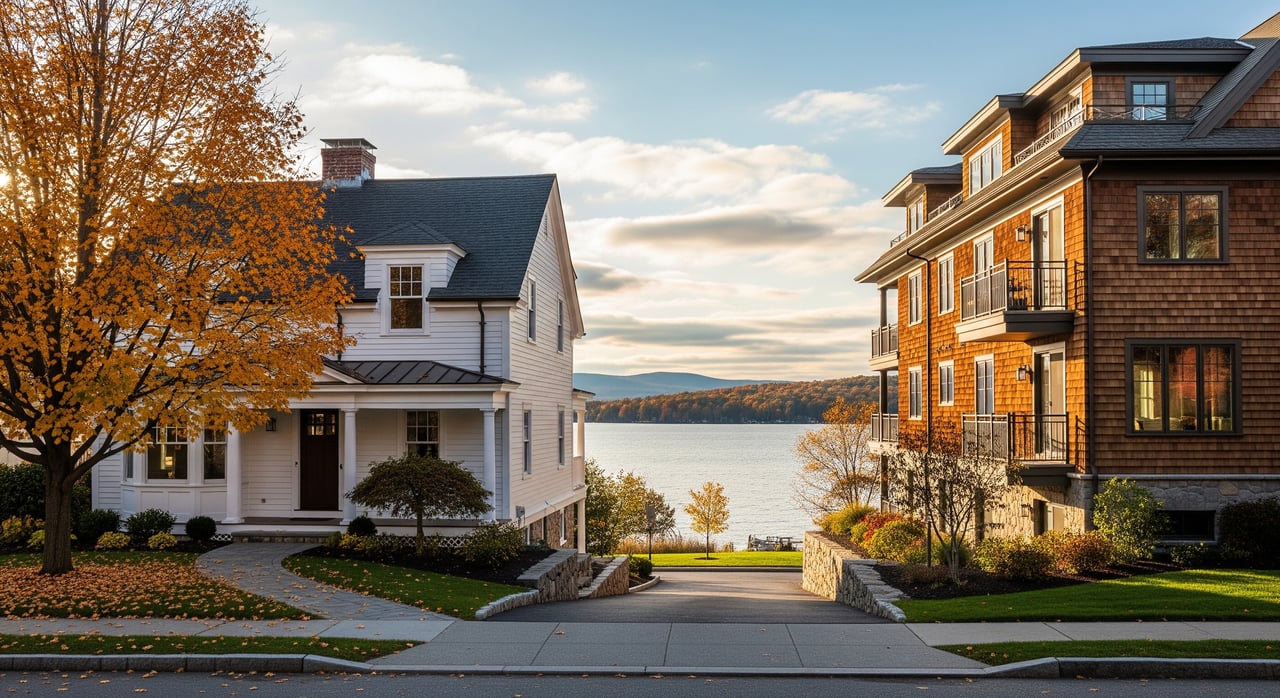
Thinking about selling in Laconia and not sure how different it feels to sell a condo versus a single-family house? You are not alone. With lake life, seasonal demand, and a mix of year-round and second-home buyers, your plan depends on the type of property you own. In this guide, you will learn what to prep, which documents to gather, how buyer expectations differ, and how pricing and timelines typically play out so you can move forward with confidence. Let’s dive in.
Laconia market snapshot
Laconia draws both year-round residents and seasonal buyers who come for lakes, marinas, and recreation. That mix shapes what buyers value and how quickly homes move. Spring and early summer are strong listing windows for most properties, with late summer also active for lake-related homes. Your timing can influence days on market and final price.
Condo buyers in Laconia are often more financing sensitive. Lenders may ask for association budgets, insurance, and reserve details. If a condo project lacks certain approvals, it can limit buyer loan options. Single-family buyers tend to focus on the lot, condition, and municipal items like septic or well status. That focus affects prep and negotiation.
Prep for condos
Focus on the interior. Declutter, neutralize decor, and make rooms feel open. Highlight what the building offers, such as parking, storage, elevator access, or common areas. If allowed, coordinate access to shared amenities during showings so buyers see the full lifestyle.
Address interior repairs and maintenance. Exterior items may be the association’s responsibility, but buyers will look closely at your unit’s systems and finishes. Ask the association about any restrictions on showings, signage, or open houses so you can plan ahead.
Prep for houses
Plan for both interior and exterior work. Curb appeal, landscaping, paint touch-ups, and deck or porch repairs help your photos and showings shine. For waterfront homes, make sure docks, shoreline areas, and boat storage details are clear and well maintained.
Buyers will evaluate the big systems. Roof, siding, foundation, septic, well, and utilities can affect offers and inspections. Consider pre-listing checks, especially if you suspect issues, to reduce surprises later.
HOA documents that matter
Condo sales hinge on paperwork that buyers and lenders review. Common requests include the declaration, bylaws, rules, recent meeting minutes, budget and financial statements, reserve study, insurance certificate, assessment history, rental policies, and any pending litigation details. Many associations provide a resale or estoppel certificate for a fee.
Ask early about turnaround times and costs for these packages. Delays in getting complete documents can slow financing and closing. Confirm any association transfer fees or capital contributions so you can price and negotiate with clarity.
Association red flags
Buyers react to certain HOA issues. Low reserves, large or frequent special assessments, unclear insurance coverage, high dues without clear services, pending litigation, or high delinquency rates often reduce offers or narrow the buyer pool. If your association has a recent or planned assessment, prepare a clear explanation of what it covers and the long-term benefit. Transparency builds trust.
Financing program impacts
Some loan programs, including FHA or VA, may require condominium project approval and specific insurance or reserve standards. If your project lacks approval, certain buyers may not be able to finance. Check status before you list and discuss alternatives with your agent and a lender. This helps set expectations and reduce fallout later.
Disclosures and title
Sellers in New Hampshire typically provide a property-condition disclosure that addresses known defects and key systems. For condos, you also share association-related materials. Review your condo resale documents for accuracy before going live.
For single-family homes, gather permits and records for improvements. If you have a septic system or well, plan for any required inspections or certifications. Waterfront properties should also align with municipal or shoreland requirements.
Title items matter for both property types. Houses may have easements or right-of-way details to review. Condos are governed by the master declaration and unit deed, including parking and storage allocations. Engage a local title company or real estate attorney early if you have questions.
Condo pricing strategy
Price using unit-level comps in the same or similar buildings. Adjust for floor level, views, parking or storage, and amenities. Factor the effective monthly cost to the buyer, which includes HOA dues and any upcoming or ongoing assessments. Buyers weigh those carrying costs against mortgage and taxes when comparing options.
If your association has a history of special assessments or elevated dues, plan for that in positioning and price. Clear disclosure upfront helps protect your timeline and negotiation.
House pricing strategy
For single-family homes, look at lot size, neighborhood or lake proximity, condition, and recent comparable sales. Waterfront or near-water properties can command premiums tied to access, views, and dock rights. If major exterior or system updates are needed, consider the impact on price and buyer expectations.
Pricing should reflect both condition and seasonality. A realistic list price anchored to local comps reduces days on market and supports stronger terms.
Timelines to expect
Pre-list prep for condos typically takes 1 to 4 weeks because work is mostly interior. Houses often need 2 to 8 or more weeks for exterior projects and system checks. Marketing to contract varies by price point and season. Expect 2 to 12 or more weeks, with lake-related properties often peaking in late summer.
Most financed transactions close in about 30 to 45 days once under contract. FHA or VA condo approvals and association document delays can add 7 to 21 days. Many Laconia sales run 6 to 12 weeks from listing to closing, with more time needed if title, inspection, or association issues arise.
Costs and net proceeds
Closing costs and commissions are broadly similar for condos and houses. Condo sellers may see unpaid dues, transfer fees, capital contributions, assessment payoffs, and resale or estoppel certificate fees at closing. House sellers often budget for repair requests, septic or well certifications, and potential survey or exterior work.
For tax and legal planning, consider speaking with a CPA or attorney. If you are weighing a 1031 exchange or complex ownership factors, early advice helps protect your net.
Seller checklists
Condo checklist
- Request the latest declaration, bylaws, rules, budget, financials, reserve study, insurance certificate, meeting minutes, assessment history, and rental policies.
- Confirm the process, fee, and timeline for the resale or estoppel certificate.
- Verify any transfer fees or required capital contributions.
- Complete interior repairs, declutter, and stage for photos and showings.
- Gather parking and storage assignments and any building amenity details for marketing.
- Coordinate showing rules and access with the association or manager.
- Discuss FHA and VA program considerations with your agent and a lender.
House checklist
- Order pre-listing checks where useful, such as roof, structure, septic, and well.
- Improve curb appeal, complete exterior repairs, and tidy landscaping.
- Gather permits and documentation for upgrades or improvements.
- Confirm municipal or shoreland requirements if waterfront or near-water.
- Address functional systems that could affect buyer confidence and price.
Best time to list
In Laconia, spring and early summer bring strong buyer activity. Late summer can be prime time for lake-related homes as second-home buyers focus on waterfront access and boating. Your agent can help time the launch to match your property type and price point.
How we help
You deserve a plan that fits how buyers actually shop in Laconia and across the Lakes Region. For condos, that means assembling complete, accurate association packages and marketing the lifestyle and amenities. For single-family and waterfront homes, that means elevating curb appeal, showcasing outdoor living, and anticipating system and shoreline questions.
With local, lake-specific expertise and premium marketing, our team positions your property for the right buyers at the right time. We help you price with precision, navigate HOA and municipal details, and keep the closing on track.
Ready to talk through timing, pricing, or your pre-list plan? Connect with the team at Lake Mountain Property Group for a tailored strategy.
FAQs
Do condos sell faster than houses in Laconia?
- It depends on price and season; condos can move quickly when affordability leads, while association or financing issues can slow closings. Desirable single-family or waterfront homes can sell fast.
How do HOA issues affect Laconia condo offers?
- Low reserves, special assessments, pending litigation, high dues, or high delinquency often lower offers or limit the financing pool, so address and disclose issues early.
What documents should I gather to sell a Laconia condo?
- Assemble the declaration, bylaws, rules, budget, financials, reserve study, insurance certificate, meeting minutes, assessment history, rental policies, and a resale or estoppel certificate.
Should I get a pre-listing inspection for a Laconia house?
- It is often helpful, especially for roof, structure, septic, and well, so you can make repairs or price with confidence and reduce surprises later.
How long does closing take for Laconia condo or house sales?
- Many financed deals close in 30 to 45 days; add 7 to 21 days if condo approvals or association documents delay the process.
Do I need an attorney to sell property in New Hampshire?
- Many sellers and buyers use a title company and a real estate attorney; consider consulting a local closing professional early for guidance.