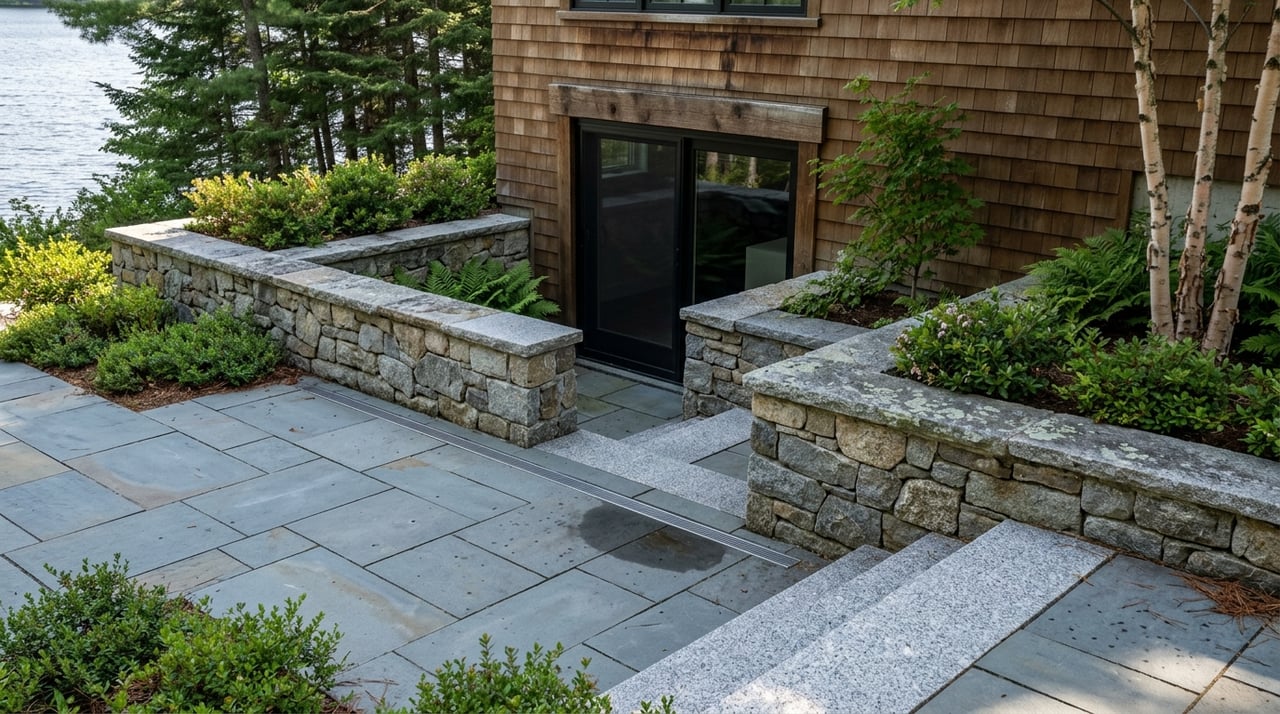
If you are pricing a lakefront home in Gilford, you already know one thing: not all “waterfront” homes compete in the same market. A property with private shoreline, usable docking, and strong lake utility lives in a very different pricing tier than a condo with shared access or a home with just a view. In this guide, you’ll see what is shaping value in Gilford right now, what buyers are paying attention to, and how to price your home with more precision. Let’s dive in.
Gilford’s Market Needs Precision
Gilford’s setting on the southern shore of Lake Winnipesaukee plays a major role in how homes are valued. Lake Winnipesaukee is New Hampshire’s largest lake at 72 square miles, so water access, views, and boating use are central to the local market rather than optional extras.
Public market data shows activity, but it also shows why broad averages can be misleading. Zillow reported an average Gilford home value of $545,030 as of May 31, 2026, with 34 homes for sale and a median list price of $609,800. Realtor.com reported a median listing price of $679,000, median days on market of 22, and homes selling for about 96% of asking in May 2026.
Redfin’s 03249 market snapshot showed a median sale price of $537,840, homes selling in about 45 days, and an average sale-to-list ratio of 98.2%. The takeaway is simple: Gilford is not a one-price market. Waterfront, water-access, lake-view, and inland homes should be priced in separate categories.
Access Type Shapes Price First
The biggest pricing mistake in Gilford is treating every lake-oriented property as if it offers the same value. Buyers look closely at whether a home is direct waterfront, part of an association with shared access, or simply near the water.
That distinction is easy to see in current active inventory. Redfin’s Gilford waterfront page showed just 6 waterfront listings, ranging from a $209,900 condo-style property to a $2.35 million island retreat. That wide spread reflects different ownership types, rights, and utility, not just different finishes.
A direct waterfront home usually commands a different price than a water-access condo because the ownership experience is different. Shared amenities, deeded access, and lower-maintenance living can be attractive, but they do not create the same ownership class as fee-simple shoreline.
Shoreline Utility Matters More Than Labels
In Gilford, buyers are not just paying for the word “waterfront.” They are paying for usable shoreline and what that shoreline allows them to do.
Frontage length is important, but frontage alone is not enough. The market also responds to shoreline quality, water depth, privacy, beach area, docking setup, and the ability to get boats in and out with ease.
Current listings help show that pattern. One active example, 4 Diamond Is, was listed at $645,000 with 130 feet of shoreline and a breakwater docking system for two boats. Other active listings included 115 Weirs Rd Unit 109B at $850,000 with deeded littoral rights and five removable boat docks, 59 Welch Is at $1.1 million with 300 feet of waterfront, and 38 Mark Is at $2.35 million with 710 feet of waterfront.
The common thread is utility. A property that supports boating, swimming, and day-to-day lake enjoyment often earns a stronger price position than a property that is technically on the water but less functional in practice.
Recent Sales Show the Cost of Overpricing
High-end waterfront can still sell below asking when pricing gets ahead of the market. That is one of the clearest lessons from recent Gilford sales.
At the top end, 237 Dockham Shore Rd sold in August 2024 for $5.01 million. That property featured 333 feet of shorefront, a 150-foot sandy beach, a permanent 60-foot dock, a new boat lift, and a mooring, which shows how rare utility-rich waterfront can support premium value.
At the same time, recent sales on Varney Point show that strong features do not guarantee a quick sale. 63 Varney Point Rd Right sold on June 26, 2026 for $5.05 million, or 5% under list, after 302 days on market. 16 Varney Point Rd Left sold on June 25, 2026 for $2.15 million, or 7% under list, after 479 days on market, and the listing highlighted 135 feet of private shoreline, a sandy swim area, and a concrete pier with two deep-water slips.
These sales are a reminder that even exceptional waterfront needs the right market position. A premium location can attract attention, but buyers still compare rights, condition, utility, and price very carefully.
Condition and Lifestyle Package Affect Value
Shoreline is only part of the equation. The condition of the home and the full lifestyle package also shape what buyers are willing to pay.
A newer or turnkey home can often justify a stronger asking price, especially when it reduces the work a buyer expects after closing. On the other hand, an older home with excellent frontage may still perform well if the price reflects renovation needs and practical limitations.
This matters in the lake-access segment too. Some Gilford buyers want a lower-maintenance property with shared amenities such as beach access, docks, moorings, pools, tennis, kayak racks, or clubhouse benefits. In those cases, value comes from a bundled recreational lifestyle rather than private shoreline alone.
Local Amenities Support Demand
Part of Gilford’s appeal is that it offers more than a single parcel on the lake. The town has a broader recreation profile that supports year-round and seasonal buyer interest.
Gilford Beach offers 1,800 feet of shorefront for town resident and taxpayer use. Glendale Docks is reserved for Gilford residents and residential taxpayers and includes two boat ramps and three docks. Ellacoya State Park also adds a 600-foot sandy beach on Lake Winnipesaukee.
Beyond the lake, Gilford is home to Gunstock Mountain Resort and BankNH Pavilion. Those amenities add four-season recreation and event-driven appeal, which can strengthen the town’s overall draw for both full-time and second-home buyers.
Regulations Can Change What a Home Is Worth
A lakefront home’s value is not just about what exists today. It is also about what the next owner can and cannot do with the property.
Gilford’s zoning ordinance places shorefront properties under special rules through the Island and Shore Frontage District and states that the town will adhere to the Shoreland Water Quality Protection Act. The ordinance says no more than 25% of total lot water frontage may be devoted to docks or similar structures, shorefront dwelling units require 150 feet of shore frontage per unit, first-floor elevations must be at least one foot above the 100-year flood elevation, and new roads generally may not be built within 50 feet of the normal water line except for limited purposes such as fire access or boat launching.
The New Hampshire Department of Environmental Services states that the Shoreland Water Quality Protection Act applies within 250 feet of the reference line of lakes and ponds greater than 10 acres. DES also notes a 50-foot primary-structure setback and limits that affect shoreline development.
For pricing, this matters in a very practical way. If a home already has valuable permitted improvements, those improvements may carry more weight because a future buyer may face limits on expansion, rebuilding, or changes near the shoreline.
How to Price a Gilford Lakefront Home
A smart pricing strategy starts with the right comparison set. Townwide averages can offer context, but they should not drive the asking price for a lakefront home.
Instead, your pricing should focus on homes with similar:
- Access type
- Shoreline exposure
- Frontage length
- Dock, mooring, or littoral rights
- Beach and swim quality
- Privacy and view corridor
- Condition and improvement level
In other words, a direct waterfront home should be compared to direct waterfront homes with similar utility. An association waterfront condo belongs in a different bucket, and a water-access or inland property belongs in another.
Today’s Market Rewards Accuracy
Current public data suggests buyers in Gilford still have room to negotiate. Redfin reported homes in 03249 selling at about 2% below list on average and taking about 45 days to sell, while Realtor.com reported homes selling for about 96% of asking with a median of 22 days on market.
That does not mean sellers have to underprice. It means the market is rewarding homes that are positioned correctly from the start.
For a Gilford lakefront seller, the goal is not to chase a generic waterfront premium. The goal is to match the price to the property’s exact shoreline utility, access rights, condition, and regulatory profile so buyers can quickly see the value.
If you are thinking about selling a Gilford lakefront home, a focused pricing strategy can make a real difference in both buyer response and final outcome. Lake Mountain Property Group helps Lakes Region sellers evaluate waterfront value with local knowledge, detailed positioning, and a marketing approach built for high-interest lake properties.
FAQs
How should you price a Gilford direct waterfront home?
- You should compare it to other direct waterfront homes with similar frontage, docking rights, shoreline quality, condition, and lake utility rather than relying on townwide averages.
Does more shoreline increase a Gilford lakefront home’s value?
- Usually yes, but the added frontage matters most when it is usable for boating, swimming, privacy, and overall enjoyment of the property.
Should a Gilford water-access condo be priced like a waterfront house?
- No, because shared access, association amenities, and ownership structure place it in a different pricing category than a home with private shoreline.
Why do some Gilford lakefront homes sit on the market longer?
- Even strong waterfront homes can take longer to sell when the asking price does not match the property’s condition, rights, utility, or competitive position.
What regulations affect Gilford shorefront property value?
- Local zoning rules and New Hampshire shoreland rules can affect docks, setbacks, frontage requirements, flood elevation standards, and future expansion potential, all of which can influence value.