Buying your first boat in Laconia is exciting, but figuring out where to keep it can feel like a maze. Between wet slips, moorings, and year-round storage, there are real differences in cost, convenience, and rules on Lake Winnipesaukee. If you understand your options early, you can avoid waitlists, surprise fees, and seasonal headaches.
This guide walks you through marina choices, typical costs, local rules, environmental responsibilities, and a simple seasonal plan tailored to Laconia and the Weirs Beach area. By the end, you’ll know how to choose the right setup and what to do next. Let’s dive in.
Where to keep your boat in Laconia
Wet slips: fast access, higher demand
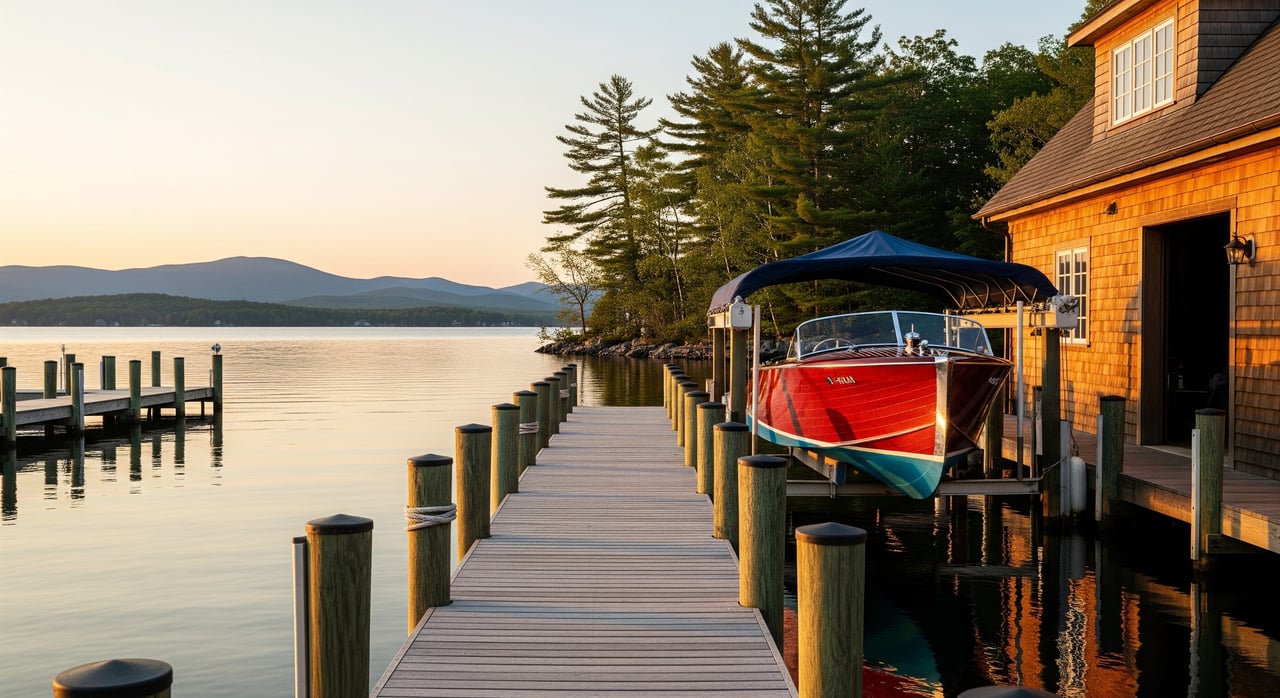
A wet slip keeps your boat in the water all season. You’ll find a mix of fixed and floating docks around Laconia, often with electricity, fresh water, parking, and security. Many locations also offer fuel, pump-out access, and onsite service.
Pros: You get immediate access to the lake and skip repeat launching. This is ideal if you plan to use your boat often.
Cons: You pay ongoing slip fees and accept more exposure to weather. Seasonal demand is high, and storms can add risk.
Typical cost: For small to mid-size boats around 20–30 feet, seasonal wet slips often range from about $1,000 to $4,000 or more depending on location, boat size, and amenities. Premium locations can cost more.
Moorings: budget-friendly, dinghy required
Moorings secure your boat to a buoy offshore instead of a dock. The local harbormaster typically assigns or approves moorings and can explain timelines, fees, and field rules. You’ll need a dinghy or tender to reach your boat.
Pros: Often less expensive than slips while preserving access in busier areas.
Cons: You trade convenience for cost savings and plan around weather and swing room.
Typical cost: Seasonal mooring fees vary widely. Expect several hundred to low thousands per season depending on size and location.
Dry stack and indoor storage: protection and convenience
Dry stack storage keeps your boat in an indoor rack and moves it via forklift when you want to go out. It’s popular for owners who want better protection from weather and ice.
Pros: Excellent protection, streamlined maintenance, and potential insurance benefits.
Cons: Size limits can apply, and launching is typically scheduled rather than instant.
Typical cost: Small to mid-size boats may see annual dry stack starting around $1,500 and climbing to about $5,000 based on size and service level.
Outdoor yard storage: budget option with tradeoffs
Outdoor storage places your boat on a trailer or stands in a fenced yard. Most owners choose shrink-wrap before winter and handle launch via a ramp or a yard’s travel lift.
Pros: Lower cost and straightforward for trailered boats.
Cons: More exposure to the elements unless wrapped and fewer amenities than indoor options.
Typical cost: Outdoor winter storage and shrink-wrap commonly total from a few hundred dollars to more than $1,000 depending on boat size and services.
How Laconia marinas work
Services and amenities to compare
When you tour marinas around Weirs Beach and greater Laconia, compare:
- Fuel availability and pump-out access
- Power options at the pedestal and fresh water
- Restrooms, showers, parking, and security
- Wi‑Fi, on-site mechanics, and wash-down stations
- Launch and haul schedules for dry stack or yard storage
- Proximity to town services and your preferred parts of the lake
Contracts, fees, and insurance basics
Before you sign, review:
- Term and cancellation: Seasonal or annual, renewal terms, and reassignment policies
- Insurance: Liability limits, proof of insurance, and whether the marina needs to be listed as additional insured
- Payment schedule: Deposits, due dates, and late fees
- What’s included: Electricity, pump-outs, winterization, launch and haul rates
- Damage and indemnity: What the marina covers vs. what you cover
- Access and guest rules: Keys, cards, guest passes, parking and tender policies
First-visit checklist
Use this quick list on your initial walkthrough:
- Confirm your boat’s LOA and beam fit the slip or stack system
- Inspect dock condition, cleats, fenders, and power pedestals
- Ask about storm plans and emergency contacts
- Review winterization options and typical haul-out dates
- Clarify insurance requirements and any pollution or spill coverage expectations
Rules new owners should know
Local moorings and dock rules
Mooring placement, numbering, and use are managed locally. Plan ahead for applications, fees, and seasonal timelines through the city’s harbor office. If you are considering new or expanded dock structures, expect local review plus possible state-level permits.
Shoreland and wetlands permitting
Work on docks, seawalls, or shoreland can trigger state environmental review. New Hampshire’s shoreland and wetlands programs oversee projects in and near the water. Depending on scope, federal agencies can also be involved when jurisdictional wetlands are affected.
Boating safety and equipment
New Hampshire sets boating safety rules and requires certain gear on board. Carry the right life jackets for your passengers, a sound-producing device, and any additional items required for your vessel type. State boater education requirements apply for operating motorized vessels based on age and other factors.
Aquatic invasive species protection
Lake Winnipesaukee has active prevention programs for plants and animals that harm water quality and recreation. Follow Clean–Drain–Dry steps, use available boat wash stations, expect spot inspections in some areas, and report any suspicious species you see.
Fueling, waste, and pump-outs
Marinas follow strict fueling and spill protocols. Use pump-out facilities for onboard waste and adhere to marina guidance to protect lake water quality.
Registration and titling
Motorized vessels must be registered under New Hampshire rules. Non-residents may have different requirements. Confirm the latest guidance and fees before launching for the season.
Seasonal game plan for Lake Winnipesaukee
Spring prep: April to May
Spring depends on weather, but most owners aim for April through May to commission boats and confirm storage transitions.
Checklist:
- Uncover and commission the engine, test batteries, and check electronics
- Inspect the hull, fittings, and safety equipment
- Top off fluids and confirm fuel quality
- Inspect your trailer if applicable
- Complete a Clean–Drain–Dry check before launching
Peak season: June to September
Expect the busiest traffic in July and August, especially around Weirs Beach. If you need transient space or service appointments, book in advance.
Tips:
- Know local speed limits and no-wake zones
- Plan fuel stops strategically on busy weekends
- Confirm any event closures that might affect access
Fall haul-out: September to November
Book haul-out and winter storage early. Seasonal windows fill fast and late haul-out can lead to extra fees.
Winterization often includes:
- Engine antifreeze, fogging, and fuel stabilization
- Battery removal or maintenance charging
- Removing electronics and cushions
- Shrink-wrap and cover options
Winter hazards: plan to haul out
Ice on Lake Winnipesaukee can damage docks and hulls. Most owners haul out before freeze-up and secure a winter storage plan well ahead of time. Avoid leaving your boat in the water past recommended dates.
Budgeting your first season
Your first-year budget depends on boat size, usage, and location. Use these regional ranges as a planning baseline and confirm with local providers:
- Seasonal wet slip, 20–30 feet: about $1,000 to $4,000 or more depending on amenities and proximity
- Seasonal mooring: several hundred to low thousands per season
- Dry stack, annual: roughly $1,500 to $5,000 based on size and service level
- Winter storage and shrink-wrap: a few hundred to over $1,000, with indoor storage costing more
- Service and winterization: shop rates and packages vary; request itemized quotes
Ways to control costs:
- Book early for preferred slips or storage to avoid last-minute premiums
- Ask what utilities and services are included vs. billed separately
- Compare winterization packages and confirm what’s covered
- Use preventative maintenance to avoid midseason breakdowns
New-owner timeline and next steps
Follow this simple plan to get settled in Laconia:
- Pick your storage type. Decide between wet slip, mooring, dry stack, or yard storage based on your usage and budget.
- Contact local authorities and providers. Reach out to the city harbor office and nearby marinas to confirm availability, rules, and timelines.
- Review contracts and insurance. Confirm liability limits, additional insured requirements, payment schedules, and what is included in your agreement.
- Schedule spring service. Set dates for commissioning, launch, and any early repairs.
- Prepare for AIS compliance. Plan for Clean–Drain–Dry, inspections, and boat wash access where offered.
- Assemble safety gear. Confirm life jackets, signaling devices, and any vessel-specific equipment.
- Reserve fall haul-out. Book winterization and storage before peak demand.
Whether you are exploring a waterfront home, planning a dock addition, or simply getting your first season dialed in, local knowledge makes all the difference. If you want a trusted, concierge-level perspective on lake living and property around Winnipesaukee, connect with Lake Mountain Property Group for guidance tailored to your goals. Start your lake property search with Lake Mountain Property Group.
FAQs
How do I get a mooring or slip in Laconia?
- Contact the local harbor office for mooring rules and timelines, and call nearby marinas early for slip availability and potential waitlists.
Do I need a New Hampshire boater education card?
- New Hampshire has age-based education and operator rules for motorized vessels; verify current requirements before you launch.
What does winterization include in New Hampshire?
- Typical packages cover engine antifreeze and fogging, fuel stabilization, battery care, and removing sensitive electronics and cushions before shrink-wrap.
How much does a wet slip cost around Laconia?
- Seasonal wet slips for 20–30 foot boats often range from about $1,000 to $4,000 or more depending on location, amenities, and demand.
Are there public boat ramps near Weirs Beach?
- Yes, there are public ramps and launch facilities in the area; confirm parking and any trailer restrictions with the city before you go.
What insurance do marinas usually require?
- Many request liability coverage at a specified minimum and may require the marina to be listed as additional insured; confirm the exact limits in writing.