Dreaming about mornings on your own dock and sunsets across Meredith Bay? Island living on Lake Winnipesaukee feels magical, but it comes with unique logistics that are easy to miss if you are new to the lake. If you understand access, utilities, permits, and costs up front, you can enjoy the lifestyle with fewer surprises. This guide covers the essentials so you can buy and own with confidence. Let’s dive in.
Why choose Meredith for island life
Meredith sits on Meredith Bay, a central launch point to many Lake Winnipesaukee islands and shoreline communities. You get quick access to marinas, restaurants, and seasonal events, with a variety of islands within a short boat ride.
Island properties vary widely. You will find cozy seasonal camps and substantial year‑round homes with docks and boathouses. Each island parcel falls under a specific town, such as Meredith, Center Harbor, Moultonborough, or Alton. Jurisdiction affects property taxes, permitting, moorings, and emergency services, so confirm which town governs any property you consider. For broad market context and trends, you can review resources from the New Hampshire Association of Realtors.
Access and getting around
Boat-only vs. bridged islands
Many Winnipesaukee islands are water‑access only, which means you reach your property by private boat, water taxi, or seasonal passenger services. A few islands have road or bridge access, but most do not. Your access plan should drive your boat choice, storage needs, and insurance.
Seasonal water taxi and passenger services
Passenger services operate seasonally from Meredith and nearby towns. Schedules and routes change with the time of year, so confirm availability before you rely on them. Build a backup plan for shoulder seasons when services shift.
Docks, slips, and moorings
Some island properties include a private dock or a deeded slip on the mainland. Moorings are often managed by local harbor masters, and availability can be limited. Rules, waitlists, and transferability differ by town. Start with the Town of Meredith for local harbor and permitting guidance, and verify any mooring or docking rights in the deed.
Winter readiness and logistics
Ice access and safety
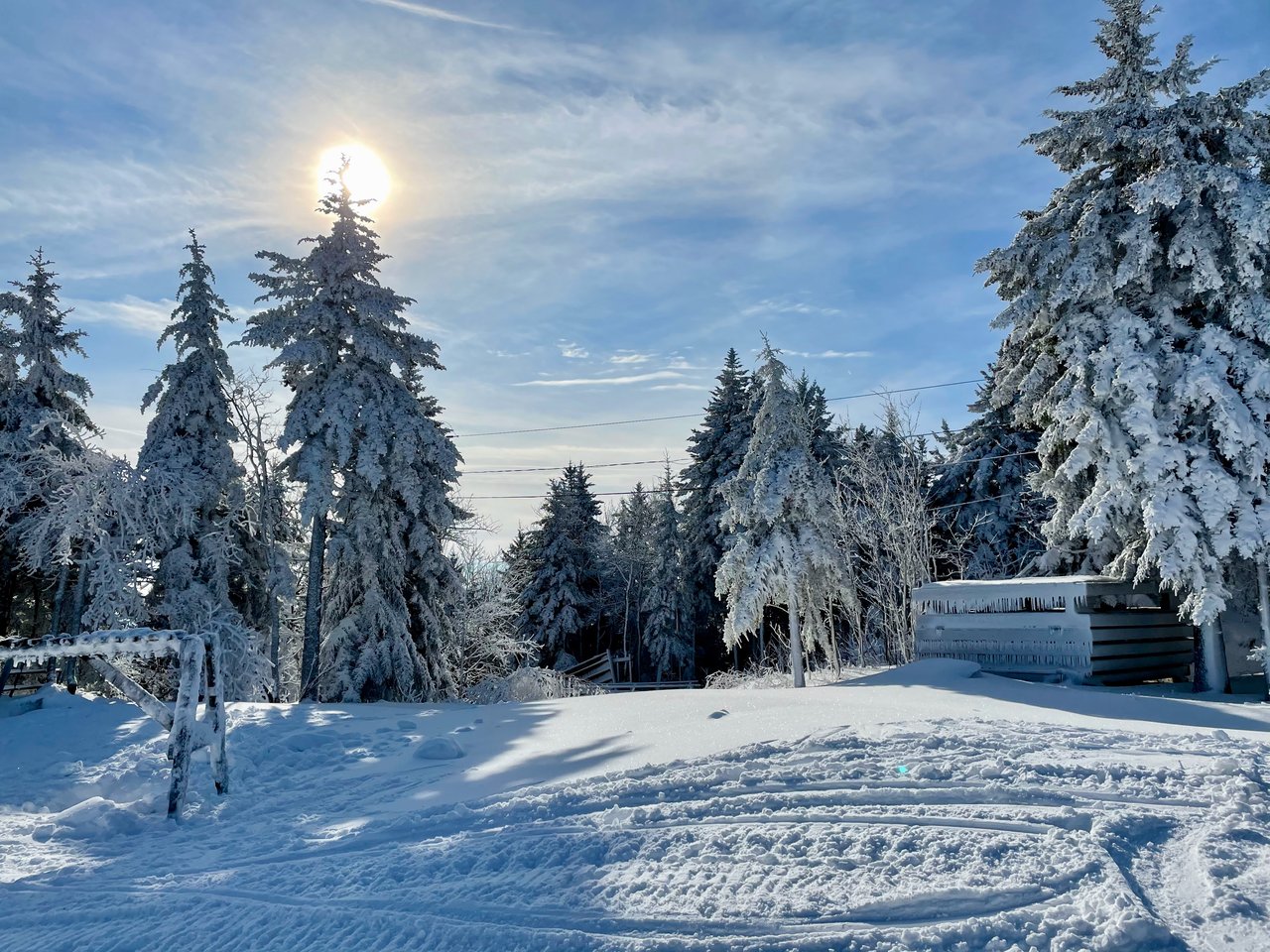
In winter, access is limited and conditions vary. Some owners use snowmobiles or cross when the ice is safe, while others maintain winter boats or close the property for the season. Plan for restricted emergency access and build a winter provisioning routine.
Mail, deliveries, and contractors
Mail and parcel services may not deliver to islands. You may need a mainland address or PO Box. Expect some contractors to add travel time for boat transport, and book well ahead during peak summer.
Utilities and connectivity
Water and septic systems
Most island homes rely on private wells or cisterns, and almost all use septic systems. Expansion or replacement can be limited by lot size, soils, and setbacks. New Hampshire regulates onsite wastewater systems through NHDES. Ask for septic design, past permits, and recent inspection or pumping records. Test well water for potability and flow rate.
Power and heat
Electric service typically comes via overhead lines, which can be more vulnerable in storms. Many owners keep a backup generator. Natural gas is uncommon. Heating is usually propane, oil, or wood, and seasonal winterization is common.
Internet and cell service
Cell coverage and broadband vary by island and orientation. Options may include satellite, fixed wireless, or limited cable/DSL near certain shorelines. Confirm typical speeds and provider reliability with the seller.
Trash and recycling
Island owners often haul waste to mainland transfer stations. Some contract private services. Ask what the current owner does and what the town allows.
Rules and permits to know
Shoreland and wetlands protections
Work near the water is regulated. The Shoreland Water Quality Protection Act and related rules govern vegetation removal, structures, and stormwater within the protected shoreland. Learn the basics and permit pathways through NHDES. Erosion control, revegetation, and limits on impervious surfaces are common parts of approvals.
Building and septic permits
You will typically obtain building permits from the town and wastewater approvals through NHDES where applicable. Confirm a property’s permit history and verify that docks, boathouses, and shoreline stabilization were properly approved. The Town of Meredith can help you identify local requirements.
Boating and mooring regulations
State boating laws and local harbor rules apply across Winnipesaukee. Review safety, speed, and navigation requirements through NH Fish & Game’s boating regulations. For moorings or dock rules within a specific town, contact that town’s harbor master.
Invasive species prevention
Variable milfoil and other invasive species are an ongoing concern. Follow Clean, Drain, Dry practices and support local prevention programs. The Lake Winnipesaukee Association shares lake health updates and stewardship resources.
Short‑term rentals and zoning
Some towns regulate short‑term rentals, occupancy, and business registration. Check municipal ordinances before you buy a home for rental use, and confirm any HOA or association rules.
Money, insurance, and carrying costs
Financing
Many lenders finance island properties, but underwriting will focus on access, utilities, seasonal use, and habitability. Boat‑only access and seasonal utilities can affect loan programs and appraisals. Allow extra time for underwriting.
Insurance and flood considerations
Insurance is often higher for waterfront and island homes because of wind and storm exposure and limited access. If a structure falls in a mapped flood zone, the lender may require flood insurance. You can confirm a parcel’s flood zone with the FEMA Flood Map Service Center.
Property taxes
New Hampshire has no statewide income tax and relies heavily on local property taxes, which vary by town. Check the municipal tax rate and the most recent assessment for the property’s jurisdiction. The NH Department of Revenue Administration provides statewide tax information and resources.
Ongoing ownership costs
Typical expenses include dock or boatlift upkeep, shoreline stabilization, septic maintenance, generator service, propane or heating fuel, winterization, and higher contractor travel charges. Budget for boat ownership, water taxi costs, and seasonal storage.
Smart due diligence checklist
- Confirm jurisdiction, property taxes, and applicable town rules. Verify the governing town in the deed and tax records.
- Document access. Identify deeded mainland parking, trailer storage, boat ramp rights, slip, or mooring assignments, and any association rules.
- Inspect the septic system. Review design capacity, permits, age, inspection results, and service records. Plan for upgrades if you intend to expand bedrooms.
- Test the well. Check for potability and flow rate, and learn how the system performs during peak summer and shoulder seasons.
- Evaluate dock and shoreline structures. Inspect pilings, cribbing, and retaining walls. Confirm permits for any dock, boathouse, or shoreline work.
- Review electrical service. Check overhead lines, panels, and wiring for code compliance and storm exposure.
- Assess broadband and cell coverage. Confirm providers, typical speeds, and reliability.
- Check for environmental constraints. Look for wetlands, conservation easements, or shoreland restrictions that limit future improvements.
- Verify insurance and flood risk. Review wind and flood coverage options and any flood zone data.
- Plan seasonal logistics. Outline winter access, mail and delivery solutions, waste handling, and contractor availability.
Island lifestyle and community
Island living centers on boating, swimming, fishing, and time outdoors. Seasonal events around the lake, local marinas, and public recreation areas add variety to your routine. Explore regional beaches, trails, and launches through NH State Parks.
Summer brings more boat traffic and activity near popular bays, which some owners love and others may find busy. Wildlife ranges from waterfowl to deer and beaver. Mosquitoes and ticks are part of lake life, so plan vegetation management and prevention.
Local guidance that moves you forward
Buying or selling an island property near Meredith is different from a typical home sale. You want a team that understands docks and moorings, shoreland permits, septic capacity, and seasonal access, and who can anticipate lender and insurance questions before they slow you down.
Lake Mountain Property Group specializes in waterfront and lake‑access properties across the Lakes Region. You get boutique, hands‑on service backed by national reach and proven luxury marketing. Whether you are targeting a quiet island camp or a year‑round lakefront, we help you validate access, utilities, and permitting so your first season on the island is the best one yet.
Ready to explore island homes near Meredith or list yours with confidence? Start a conversation with Lake Mountain Property Group.
FAQs
How do you reach a Lake Winnipesaukee island near Meredith in winter?
- Access depends on conditions and the island, with some owners using snowmobiles or winter boats and others closing for the season, so plan for limited emergency access and build a provisioning routine.
Are moorings typically included when you buy an island property?
- Sometimes, but moorings are often town‑issued and subject to rules or waitlists, so verify records, transferability, and harbor master requirements before you rely on one.
Can you finance a boat‑access‑only cottage on the lake?
- Many lenders will, but underwriting looks closely at access, utilities, habitability, and insurance, so allow extra time for appraisal and conditions.
What permits do you need for dock or shoreline work near Meredith?
- Expect municipal building permits and approvals under shoreland and wetlands rules, with guidance available through the town and NHDES.
How much should you budget for ongoing island ownership costs?
- Plan for property tax, insurance, septic and well maintenance, dock or shoreline work, heating fuel, generator service, boat or water taxi expenses, and contractor travel charges.
Can you short‑term rent an island home near Meredith?
- It depends on town zoning and any association rules, so confirm local ordinances and permitting before marketing the property as a rental.