Are you torn between the buzz of a lake village and the quiet of a wooded cove? If you are eyeing Alton on Lake Winnipesaukee, that choice often comes down to Alton Bay versus the rest of town, what many call Greater Alton. Both deliver classic lake life, but day-to-day living can feel very different. In this guide, you’ll get a clear, practical comparison to help you choose the right fit for your boating habits, dining preferences, winter plans, and budget. Let’s dive in.
Quick orientation: one town, two lake experiences
Alton sits at the southern end of Lake Winnipesaukee, with Alton Bay as the village at the tip of a long inlet shaped by the lake’s history and summer traffic. The village’s shoreline and services reflect its past as a steamboat stop and present as a lively lake hub. For a quick primer on the village’s geography and story, see the summary of Alton Bay.
As you move away from the village, Greater Alton shifts toward more spread-out shoreline, wooded privacy, and fewer immediate waterside businesses. Town services, recycling and permit resources for either setting are available on the Town of Alton site.
Boating access: slips, launches, and convenience
Alton Bay: walkable marina life
If you want boat-in dining and dockside errands, the village concentrates what you need. You’ll find public launch and docking options listed on a regional access guide to help you plan outings and guests arriving by trailer. For a starting point, review local public launches and town beach listings.
Marinas such as West Alton Marina and Roberts Cove Basin provide fuel, seasonal slips, winter storage coordination, and service. Expect seasonal leases, waitlists, and parking rules. If a condo or cottage advertises an assigned slip, confirm the details in writing with the association or marina.
Greater Alton: private frontage, fewer on-shore services
Outside the village, you may find longer private frontage, moorings, or a personal dock, but you typically drive to a marina for fuel, pump-outs, haul-out, and storage. Moorings are often administered by a local harbormaster and may not transfer automatically. Always verify, in writing, whether a claimed mooring or slip will convey with your purchase and the exact terms that control it.
Shoreline and lot character: how the water shapes value
Alton Bay: sheltered waters and smaller lots
The bay’s long, narrow inlet creates sheltered water, village-scale lots, and shallower near-shore areas in places. That supports walkable summer commerce and a higher density of camps, cottages, and condos close to the action. The historic village layout reflects its role as a steamboat stop, which shaped lot patterns and public activity zones along the shore.
Greater Alton: more frontage, deeper water in spots
Beyond the village, you’ll commonly see larger parcels with more wooded privacy and, in some pockets, deeper water. Access paths can be steeper due to ledge and slope. In both settings, shoreline usability drives value. Dockable depth, swim areas, and approach slope often matter as much as square footage. When you evaluate a property or marina slip, ask for water depth details in low-water conditions and review published services or slip specs from local marinas like Roberts Cove Basin.
Shoreland rules and septic: plan ahead
Waterfront work within 250 feet of the reference line is regulated. Docks, beach sand placement, stairs, tree removal, and many shoreline changes may require state permits and local approvals. Before you budget for improvements, review New Hampshire’s shoreland program overview in the administrative rules at NHDES Shoreland Protection.
As of 2024, a new law requires a septic system evaluation before the sale of developed waterfront properties where septic components are within 250 feet of the reference line. That affects timing, contingencies, and closing. Read the current statute text for RSA 485-A:39 and plan your due diligence accordingly.
Walkability and dining: summer rhythm vs quiet coves
Alton Bay: boat-in meals and evening strolls
If you picture tying up for lunch, grabbing ice cream, and catching a concert on the water, the village fits that lifestyle. You can boat or walk to seasonal classics, including Shibley’s at the Pier, and you’ll find other casual lakeside spots like Pop’s Clam Shell. Summer energy is part of the charm, especially around the Alton Bay Water Bandstand.
Greater Alton: fewer shops, more privacy
Outside the core, you trade walkable dining for space and quiet. Most residents here handle larger errands in nearby towns. Plan your routine with typical drive times to groceries, healthcare, and hardware, and decide how much you value a quick stroll to dinner versus a star-filled, peaceful night by the water.
Road access and winter use: plan for the season you live
Alton Bay: direct routes and reliable services
The village sits along NH Routes 11 and 28A, which means simpler access for year-round services like plowing and deliveries. Many roads are town-maintained, and you are close to public launches and marinas when winter turns to spring boating. Some older cottage lanes can still be narrow, so check the exact road condition for any property you consider.
Greater Alton: check maintenance and winter plowing
In outlying pockets, you’ll encounter private or association roads with varying maintenance standards. If you plan to live year-round, verify who plows, who pays, and how winter storms are handled. A quick call or visit to the Town of Alton can help you confirm road ownership and local contacts.
Home types and pricing signals: what you’ll typically see
Alton Bay: camps, condos, and close-in waterfront
Near the water and village, you’ll see a mix of classic seasonal camps and cottages, plus some condos and townhomes that offer deeded or assigned slips. These lower-maintenance setups can be a more attainable entry point to lake life while placing you near marinas and dining. Renovated year-round homes appear in select spots and trade on proximity and walkability.
Greater Alton: single-family privacy and hillside builds
Beyond the village, single-family homes on larger lots are common, including newer construction on hillside or deep-water parcels. Private well and septic are typical. When comparing prices, weigh septic capacity, well quality, and any shoreland permit limits alongside square footage and finishes.
Pricing patterns to expect
Waterfront and properties with deeded dock or slip rights usually command a premium over inland comparables. The size and quality of frontage, water depth, sun orientation, and closeness to village services all influence value. For an accurate picture, rely on recent MLS comparables in your target micro-market and verify dock and mooring rights in writing before you make an offer.
Lifestyle snapshots: how each setting feels week to week
- Alton Bay highlights: Morning coffee on the dock, a quick walk for ice cream, boat-in dinners, and concerts by the water. When guests visit, it is easy for them to park, stroll, and launch. The village pulse is part of the experience.
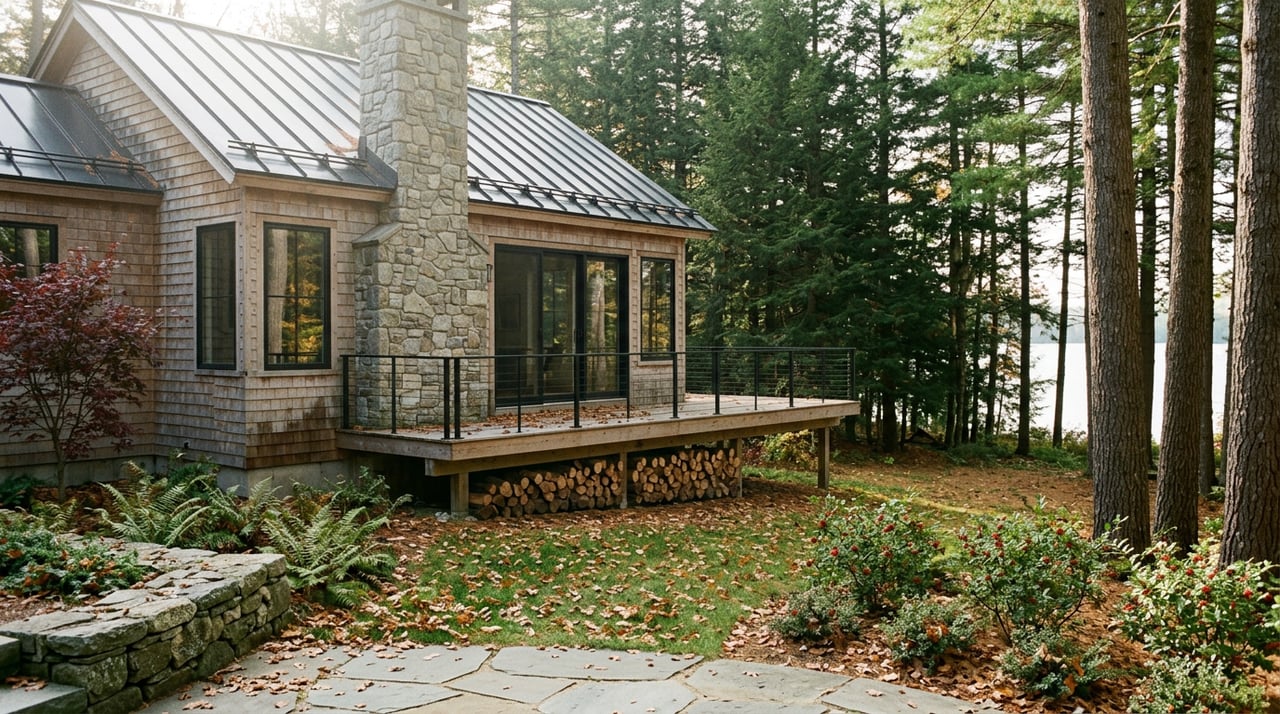
- Greater Alton highlights: Quiet coves, wooded drives, more room for gatherings, and a deeper connection to the natural shoreline. Your boating starts from a private dock or a short drive to a marina, and your nights tend to be calm and dark for stargazing.
Which setting fits you best?
Choose Alton Bay if you value:
- Walkable dining and seasonal retail close to your dock.
- Quick access to public launches, marinas, and fuel.
- A livelier summer scene with concerts and visitor energy.
Choose Greater Alton if you value:
- More private frontage and space between neighbors.
- Quieter shoreline and, in some pockets, deeper water.
- Fewer visitors near your driveway and a stronger “retreat” feel.
If hiking factors into your routine, both settings are close to Mount Major, a short, family-friendly climb with big lake views. For trail info and seasonal tips, see the state parks overview for Mount Major.
Buyer due-diligence checklist
Use this quick list to compare specific properties in either setting:
- Slip or mooring status. Do not assume a slip or mooring will transfer. Get written evidence in the deed, association docs, or from the marina or harbormaster.
- Public launch and guest logistics. If you plan to host boaters, review regional public launch listings and confirm guest parking rules in season.
- Marina costs and depth details. Ask marinas for current seasonal fees and slip specs. As a reference point for published services, see Roberts Cove Basin.
- Shoreland permitting. Any work within 250 feet of protected shoreland may need approvals. Start with NHDES Shoreland Protection and follow up with the town.
- Septic at transfer. If septic components lie within 250 feet of the reference line, a pre-sale evaluation is required under RSA 485-A:39. Build time into your contract timeline.
- Flood risk and insurance. Review FEMA flood mapping and ask about elevation certificates. For state-specific context, review the NH floodplain management handbook and consult a surveyor for site data.
- Winter access. Confirm road ownership, plowing arrangements, and delivery access for your exact address. The Town of Alton can direct you to the right department.
The bottom line
Both Alton Bay and Greater Alton deliver the best of Lake Winnipesaukee. The right choice depends on how you boat, where you like to eat and gather, and how much you value privacy versus proximity. If you want walkable marinas and a lively summer scene, Alton Bay makes daily lake life simple. If you prefer bigger lots, wooded privacy, and a quieter shoreline, Greater Alton may be your best match.
When you are ready to compare specific properties, slips, and shoreline details, start your lake property search with Lake Mountain Property Group. Our team helps you weigh the trade-offs, confirm key details, and secure the setting that fits your life on the water.
FAQs
Will a slip or mooring in Alton transfer when I buy a lakefront home?
- Not always. Slips at commercial marinas are commonly seasonal leases, and moorings are often municipal permits with their own rules. Get written confirmation from the marina, harbormaster, or in the deed during due diligence.
Do I need a permit to add or replace a dock on Lake Winnipesaukee?
- Possibly. Many changes within 250 feet of protected shoreland require review. Start with NHDES Shoreland Protection and coordinate with the Town of Alton for local steps.
What extra costs should I plan for boating access and storage in Alton?
- Budget for marina fees, winterization, haul-out, fuel, and pump-outs. Published schedules from local marinas like Roberts Cove Basin help you estimate seasonal costs, but confirm current rates directly.
How does winter access compare between Alton Bay and Greater Alton?
- Alton Bay benefits from main road proximity, which typically supports reliable plowing and deliveries, although some lanes remain narrow. In Greater Alton, private or association roads exist, so verify maintenance, plow plans, and costs with the seller and the Town of Alton before you commit.